
Frizzy hair is a daily issue for many people, from curly hair to straight, even long or short length, the frizzy hair sticks out and can be quite challenging to tame. Leaving the hair open in such a state puts a damper on the overall look. But why does hair frizz up? The main reason is lack of moisture and protein in the hair, along with split ends and damaged hair cuticles.
Keep reading as we help you understand effective frizzy hair solutions to control and even fix the frizz with some daily habits and tried and tested anti-frizz, hair care products.
What Causes Frizz Hair?
Low moisture, protein loss, and damage result in frizzy hair, but how do they happen and how to take proper care and precautions to avoid the issues? Let’s see below
1. Environment:
Humidity - Hair is like a sponge, it’s hygroscopic and absorbs moisture from the air. So when there is a lot of moisture in the hair, the water penetrates hair shafts and swells them up. Damaged hair absorbs even more moisture which further increases frizz.
High Wind - High winds tangle and create friction to the hair.
Dust - The outdoor pollutants can settle on the hair and scalp. The dust particles along with other pollutants strip hair of natural oils, leaving it dry, and prone to frizzing.
2. Washing Habits:
Hard Water - Water with high mineral content (like calcium and magnesium) leaves buildup on the hair, making it feel dry, stiff, and rough. It prevents moisture from entering the hair shaft, resulting in dull and frizzy hair.
Excessive Hair Washing/ Harsh Shampoo - Shampooing too often or using shampoos with harsh sulfates strips the hair of its natural oils. Without these oils to seal the cuticle, the hair becomes dehydrated and prone to frizz.
Rough Towel Drying - Vigorously rubbing hair with a traditional cotton towel creates friction, which lifts the hair cuticles. This rough, uneven surface causes the hair to look unruly and frizzy.
Combining Wet Hair - Hair is weakest when wet. Brushing or combing it while wet can stretch and break the cuticle, leading to damage and increased frizz.
3. Genetics and Tendency:
-
Natural Hair Structure: Curly, wavy, or coily hair types are more prone to frizz because their cuticle layer never fully closes, allowing moisture to escape and the hair to become dry.
-
Sebum Distribution: Natural oils produced by the scalp have a harder time traveling down curly or wavy hair shafts, leading to a natural lack of hydration.
-
Hair Density/Porosity: People with naturally porous or high-density hair often experience more frizz, as their hair is more susceptible to absorbing moisture from the air.
-
Naturally Dry Hair: When hair is dry or dehydrated, it becomes porous and attempts to absorb moisture from the surrounding atmosphere, causing the hair shaft to swell and frizz.
-
Hair Type:Porosity: High-porosity hair (which can be natural or damaged) absorbs water quickly, leading to rapid swelling and frizz.
-
Diameter: Fine, damaged hair is more prone to becoming broken and brittle, while coarse hair can feel dry and rough.
Hair Porosity Is Important For Fixing The Frizz
Hair porosity determines how well your hair absorbs and retains moisture.
Low-porosity hair struggles to absorb products, while high-porosity hair absorbs too much too fast and loses it just as quickly, both can lead to frizz.
Know your porosity to choose the right product and routine so moisture stays balanced instead of sitting on the surface or escaping too soon.
-
Low porosity – lightweight creams, leave-ins, and heat to help products absorb.
-
Medium porosity – most products work; focus on balanced hydration and protein.
- High porosity – heavier creams, serums, and deep conditioning to lock in moisture.
4. Hair Damage
When the ends of the hair split, they create a rough, damaged texture that contributes to overall frizz.
Sometimes broken hair is disguised as frizz, in this case it is best to care and let the broken hair grow out without further irritation to the strands.
Friction And Static:
-
Rubbing hair with a traditional cotton towel causes friction, which lifts the cuticle and creates frizz. Using a microfibre towel or a cotton t-shirt is recommended.
-
Brushing Dry Hair: Brushing hair when it is already dry can break up the hair structure, inducing static and creating a "halo" of frizz.
5. Styling Damage:
Wrong Hair Cut: Layers that are uneven or not cleanly cut can leave jagged ends that stick out rather than folding into each other, creating a frizzy appearance.
Hair Styling Products: Many products contain sulfates or alcohols that strip away sebum, the natural oil that keeps the cuticle sealed and smooth.
Heavy silicones or too many layered products can create a waxy film that prevents moisture from entering while simultaneously making the hair look limp and frizzy.
Heat Tools
Have you ever looked at frizzy hair in the mirror and thought what to do for frizzy hair?
And as a quick fix straightened or blow dried your hair? Well this may temporarily help tame the frizz but in the long run it causes further damage than help your hair.
-
Moisture Evaporation: High temperatures from flat irons and curling wands evaporate the hair's internal moisture, leaving it brittle and "parched".
-
Cuticle Disruption: Excessive heat forces the overlapping scales of the cuticle to lift and open, which allows environmental humidity to enter more easily.
-
Protein Damage: Tools exceeding 190°C can break down keratin proteins, leading to loss of elasticity and permanent structural frizz.
Chemical treatments
-
Altered Porosity: Bleaching, coloring, and perming chemicals force the cuticle open to change the hair's internal structure; this increased porosity makes hair absorb water rapidly, leading to swelling and frizz.
-
Broken Bonds: Treatments like relaxers break disulfide bonds to reshape hair, which weakens the strands and often results in a rougher, straw-like texture.
-
Lipid Removal: Chemicals strip the natural protective lipid layer, leaving the hair shaft exposed and sensitive to every change in humidity.
Not Using Hair Protection
-
Direct Heat: Skipping heat protectants allows tools to "flash dry" internal moisture, leaving the cuticle charred and brittle.
-
UV Exposure: Unshielded hair suffers protein degradation from the sun, causing a weathered, fuzzy texture.
-
No Friction Barrier: Without leave-ins, hair lacks the "slip" needed to glide, leading to static and rough-looking strands.
Tease and Back Combing
-
Cuticle Damage: Combing against the grain forces the shingle-like cuticle scales to stand up, creating instant, permanent frizz.
-
Mechanical Stress: This process creates micro-tears in the shaft, resulting in "fringe-like" breakage and flyaways.
-
Knots: Forcing strands to tangle for volume destroys the hair’s smooth surface, making it look dull and unkempt.
So how to get rid of frizzy hair permanently? The answer is simple: minimize your hair’s exposure to stressors like high heat, pulling, chemical treatments, unsuitable products, environment and daily styling habits that ruin the texture even more.
Use Products That Are Designed To Target Frizzy Hair
Many products promise “anti-frizz,” but not all are created equal. The right ones focus on sealing the cuticle, restoring moisture, and reducing friction.
Look for patented technologies like those of &Done, backed by research and real user results, not just marketing claims. Here is what we offer-
-
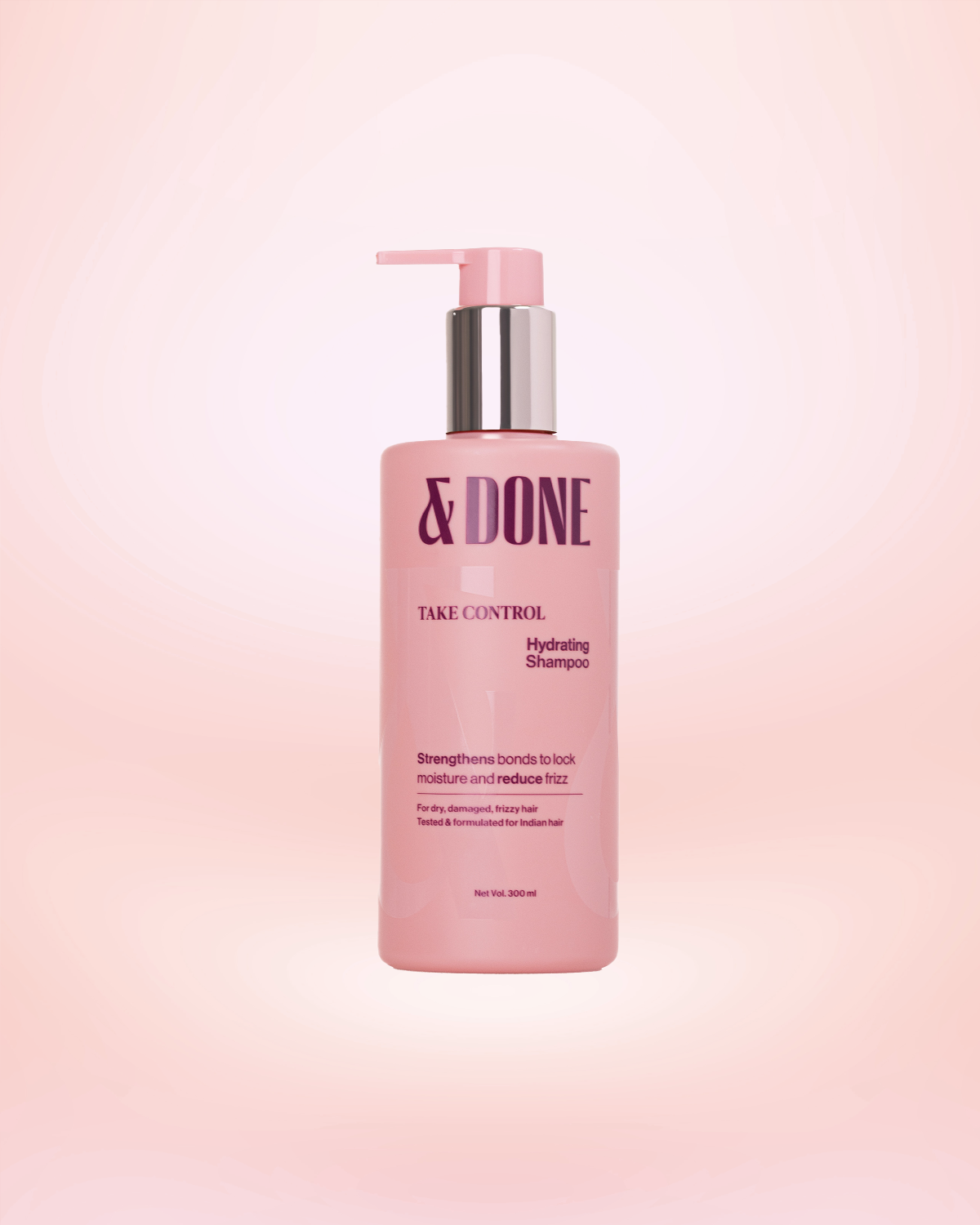
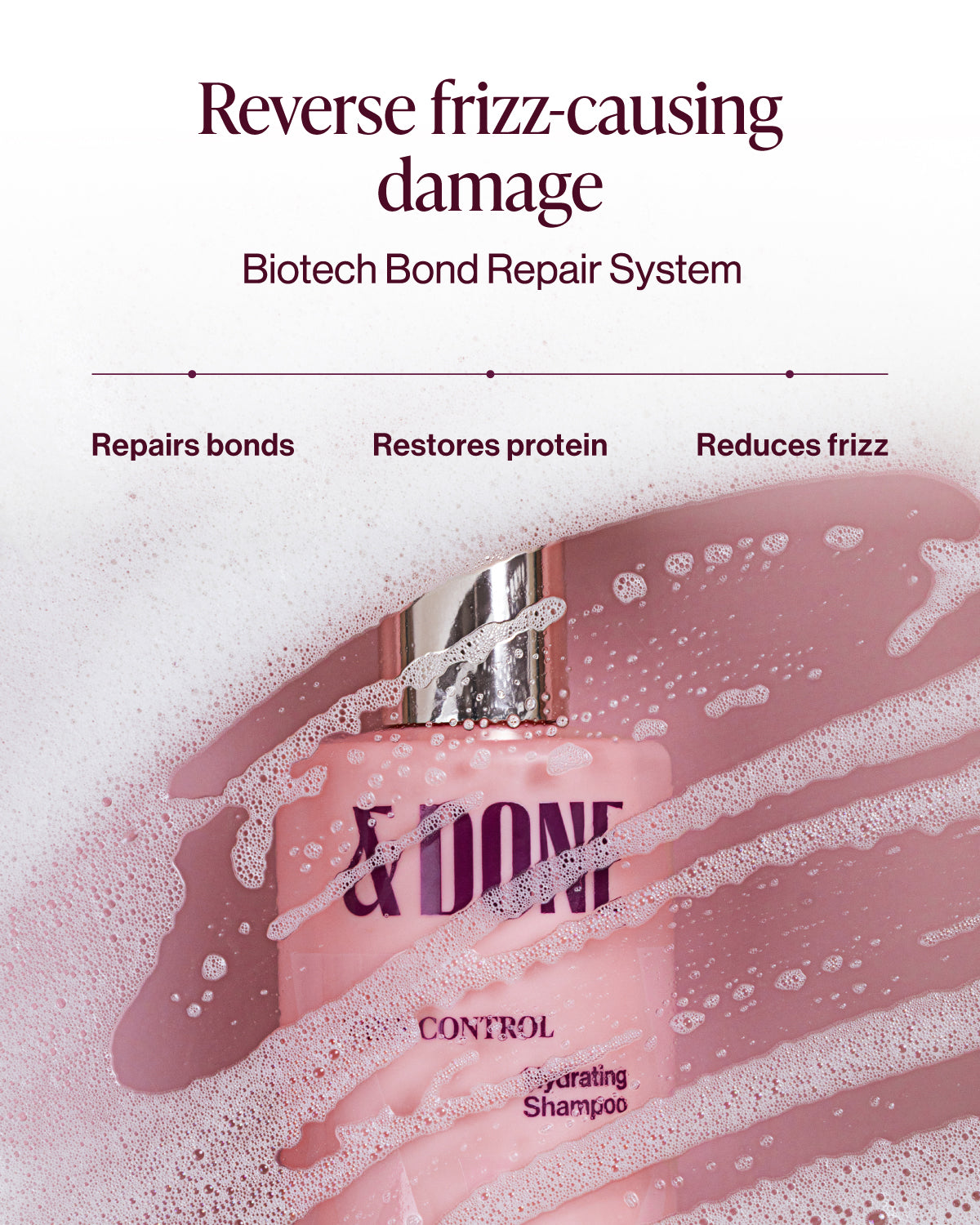
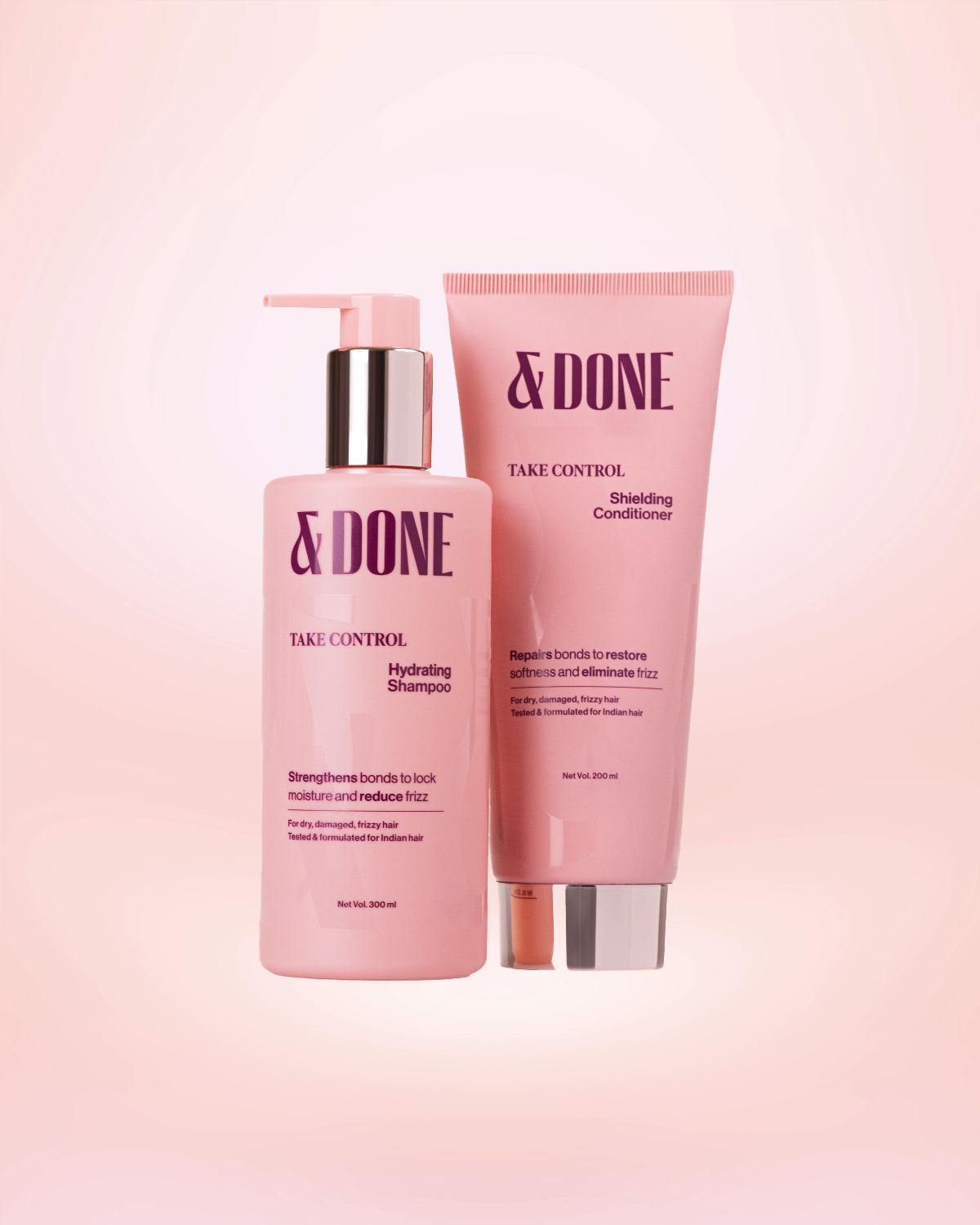
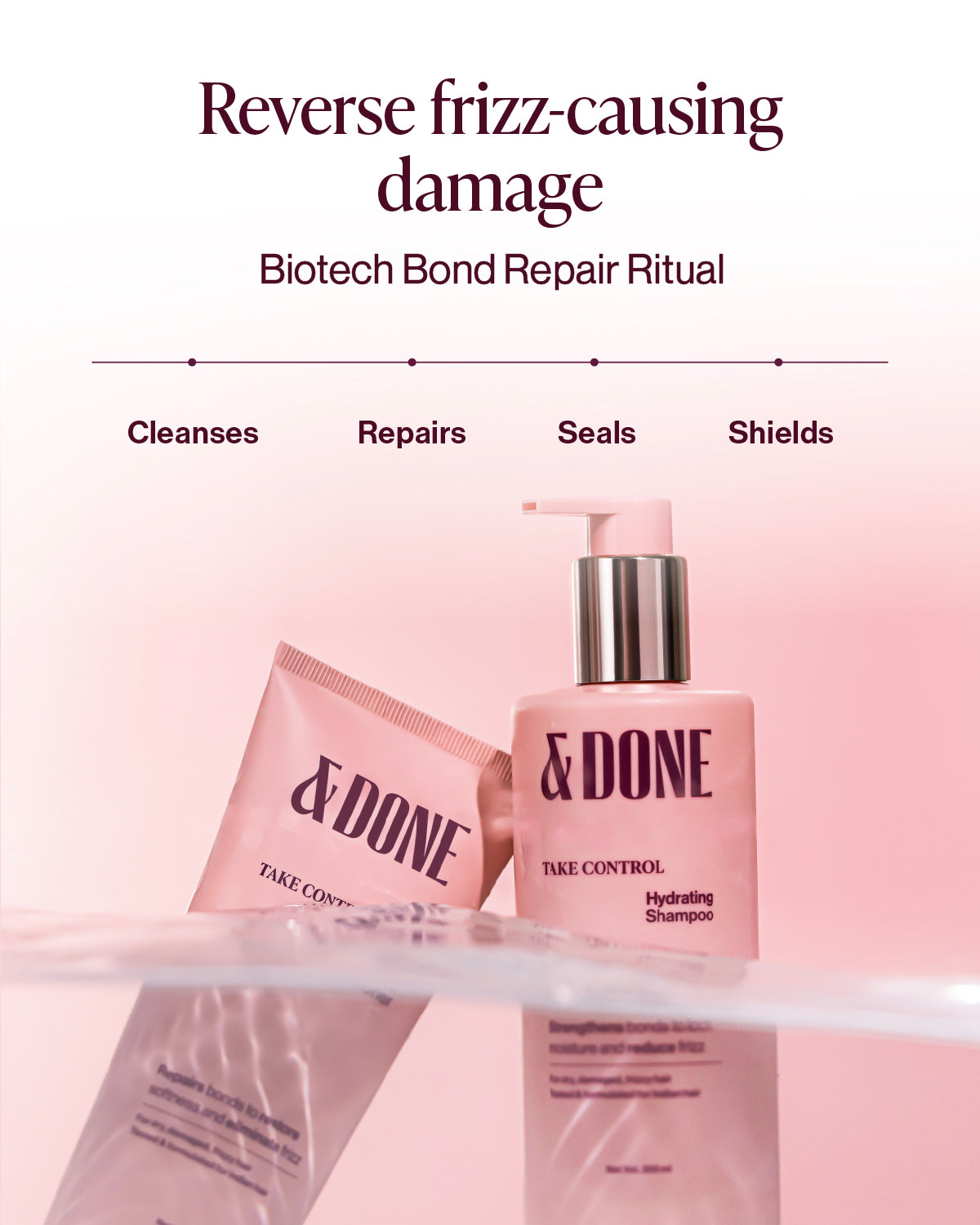
Hydrating Shampoo uses patented Arginine–Glycerin technology to deliver long-lasting hydration while Amino Polymer complexes smooth the cuticle and reduce frizz caused by dryness and humidity.
-
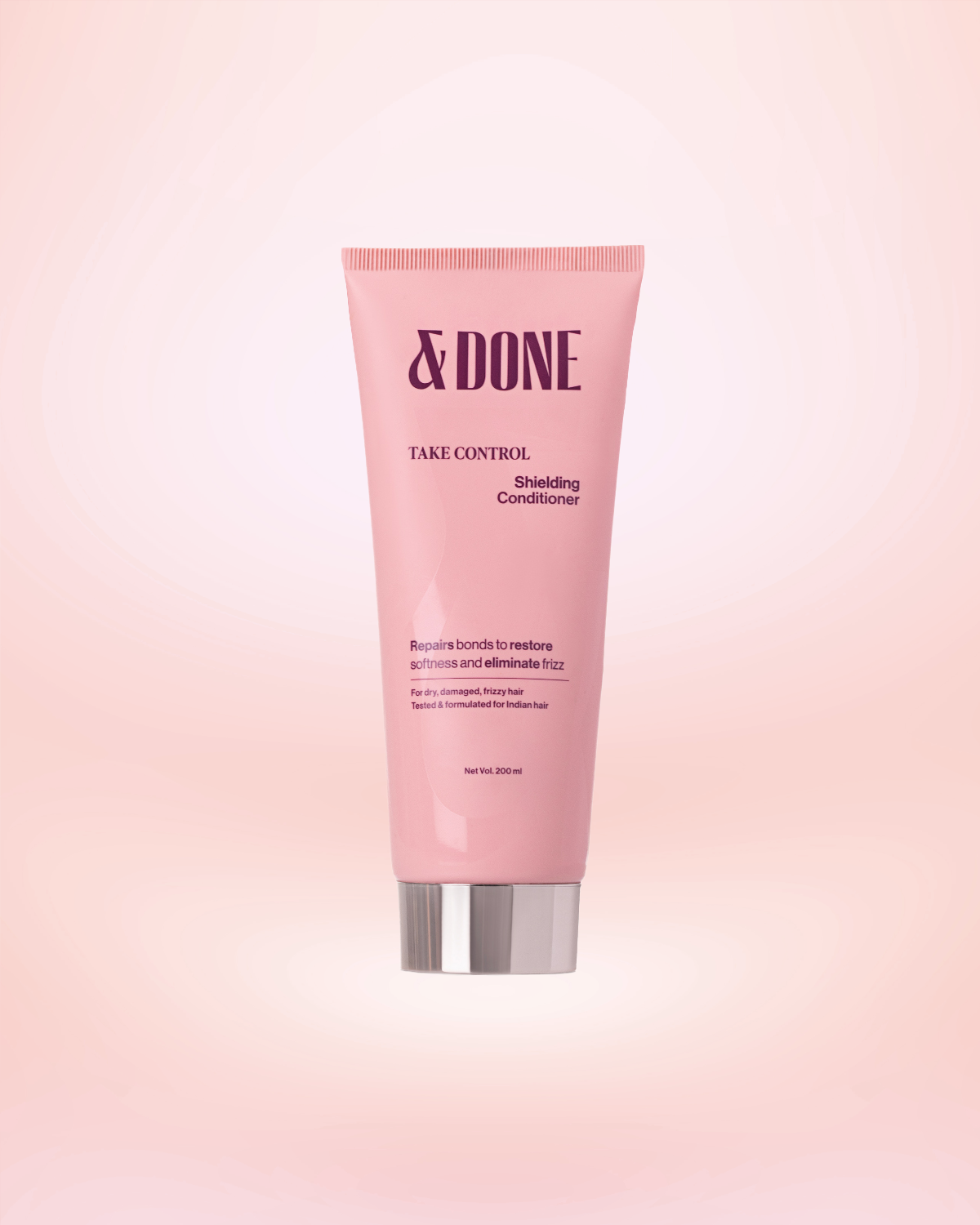
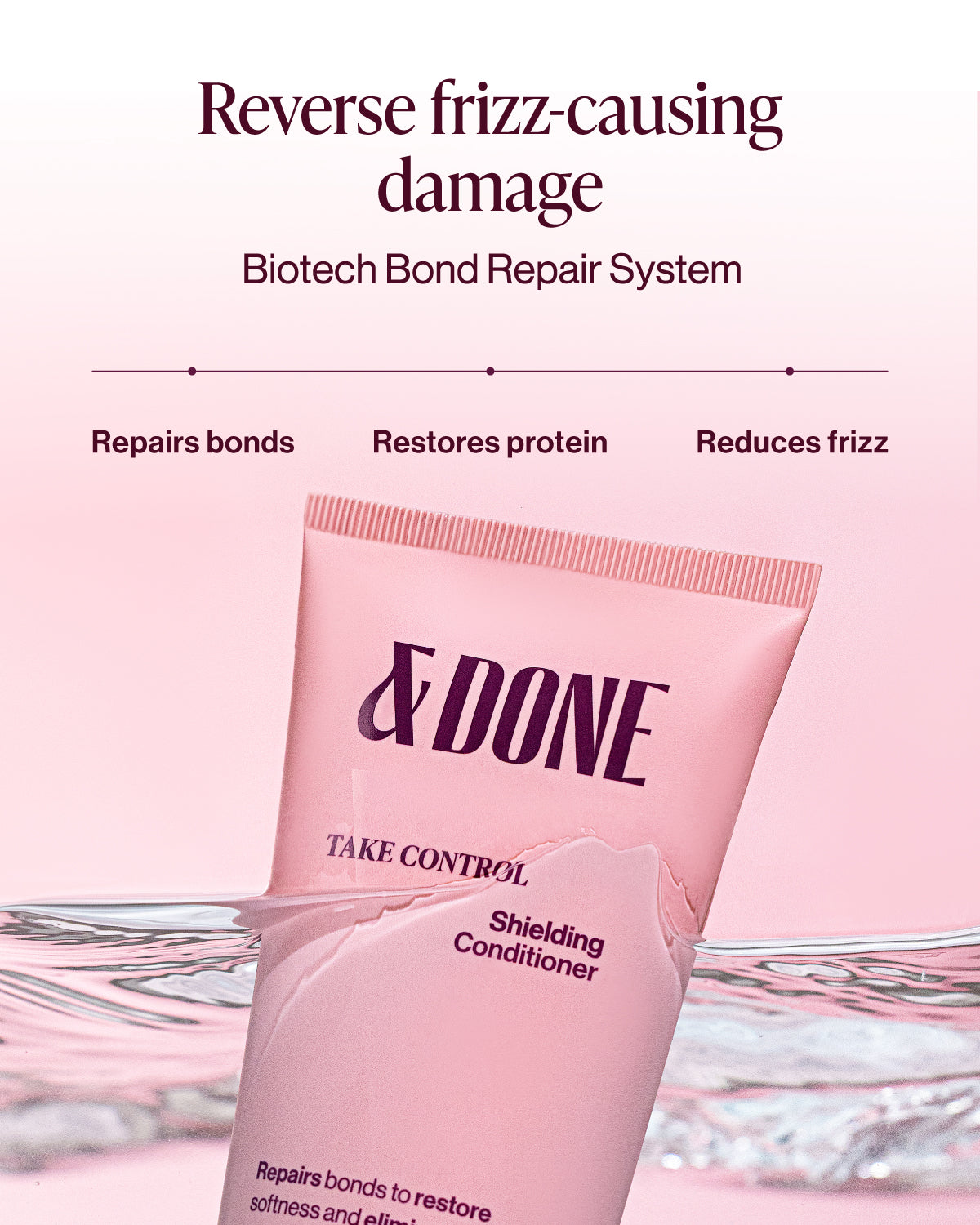
Hydrating Conditioner is powered by Plant Protein-Silanol Complex and Amino Polymers that repair fibre damage, seal the cuticle, and create a lightweight protective shield to control flyaways.
-
Serum for Frizzy Hair is built with a Multi-Layer Biotech Repair System™ that restores protein, seals moisture, and forms a humidity-resistant barrier to keep frizz under control throughout the day.
Ingredients That Help:
-
Arginine
-
Glycerin
-
Plant Protein-Silanol Complex
-
Amino Polymer
-
Promois Rice Protein Complex
-
Olive Squalane
-
Shea Butter
-
Vitamin B5
-
Vitamin E
-
Natural Glycols
Ingredients To Avoid:
-
SLS
-
Pharaben
Style Hair With The Right Products For Frizz
Creams and leave-ins work better than foams or drying gels for frizz-prone hair because they add moisture, provide slip, and help seal the cuticle. This reduces friction and keeps the hair smooth as it dries.
Foams and high-hold gels tend to evaporate moisture and stiffen the hair, making frizz more visible once the hair moves or is exposed to humidity.
Finishing And Styling Products To Avoid
-
High-alcohol sprays
-
Sticky waxes
-
Over-layering multiple products
-
Strong-hold gels that dry crunchy
How to control Frizzy Hair with simple steps
Pick The Correct Hair Comb And Brush
Wide-tooth combs reduce breakage and frizz, especially on damp hair.
Boar-bristle or mixed-bristle brushes help distribute natural oils and smooth the surface.
Avoid fine-tooth combs and sharp plastic bristles, they increase static and snap fragile strands.
Alternative To Towel Drying
Swap traditional towels for microfiber towels or cotton t-shirts.
They absorb excess water without roughing up the cuticle.
Instead of rubbing, gently squeeze or scrunch to prevent friction-induced frizz.
Night Hair Care Matters
Nighttime habits make a visible difference.
Apply a light serum or leave-in before bed to reduce dryness.
Sleep on silk or satin pillowcases to minimize friction.
Loose braids or protective styles prevent tangling and morning flyaways.
Healthy Trim Goes A Long Way
Regular trims remove split ends that travel upward and worsen frizz.
Even trimming every 8–10 weeks helps hair look smoother, fuller, and easier to manage.
Avoid Harsh Chemical Treatments
Frequent bleaching, straightening, or perming weakens the hair’s structure.
If treatments are unavoidable, space them out and follow with intensive repair routines to restore strength and moisture balance.
Deep Conditioning And Hair Mask
Weekly deep conditioning replenishes lost lipids and proteins.
Hair masks help strengthen the cuticle, improve elasticity, and reduce long-term frizz.
Consistency matters more than frequency, one good mask used regularly beats multiple random treatments.
Here we have it, an expert guide to frizzy hair with &Done. Remember, frizz is not a random reaction, it’s your hair reacting to stress, weather, or a little lack of care.
So what is the solution for frizzy hair? Small consistent changes and the correct products. These steps will result in hair that is easier to manage, with improvement in both texture and look.