
Smooth, healthy-looking hair often feels tricky when you are just starting your hair care journey. Shampoo usually gets most of the attention, but conditioner is the step that quietly changes how your hair feels and behaves every day. Learning how to use hair conditioner properly can make hair softer, easier to manage, and far less prone to frizz or breakage. This guide keeps things simple, practical, and beginner-friendly so you can build good habits without overthinking your routine.
Why Conditioner Deserves a Spot in Your Routine
Before getting into technique, it helps to understand what does conditioner do. Shampoo cleans the scalp and removes dirt, oil, and buildup, but that cleaning process can leave hair strands feeling rough. Conditioner smooths the surface of the hair, adds moisture back in, and helps strands sit neatly instead of tangling together.
Think of conditioner as the step that makes hair feel comfortable again after washing. It helps hair look shinier, feel softer, and break less during brushing or styling. Over time, regular conditioning improves how your hair responds to everyday stress like sun exposure, pollution, and heat tools.
When Conditioner Fits Into Washing
Many beginners ask when to apply conditioner and the answer is simple. The conditioner is used after shampooing. Clean hair absorbs conditioning ingredients more effectively than dirty hair. Applying conditioner to hair that still has oil or buildup can weigh it down instead of smoothing it.
This order matters because shampoo opens up the hair slightly, which allows the conditioner to coat and soften each strand more evenly.
Start With Clean, Balanced Hair
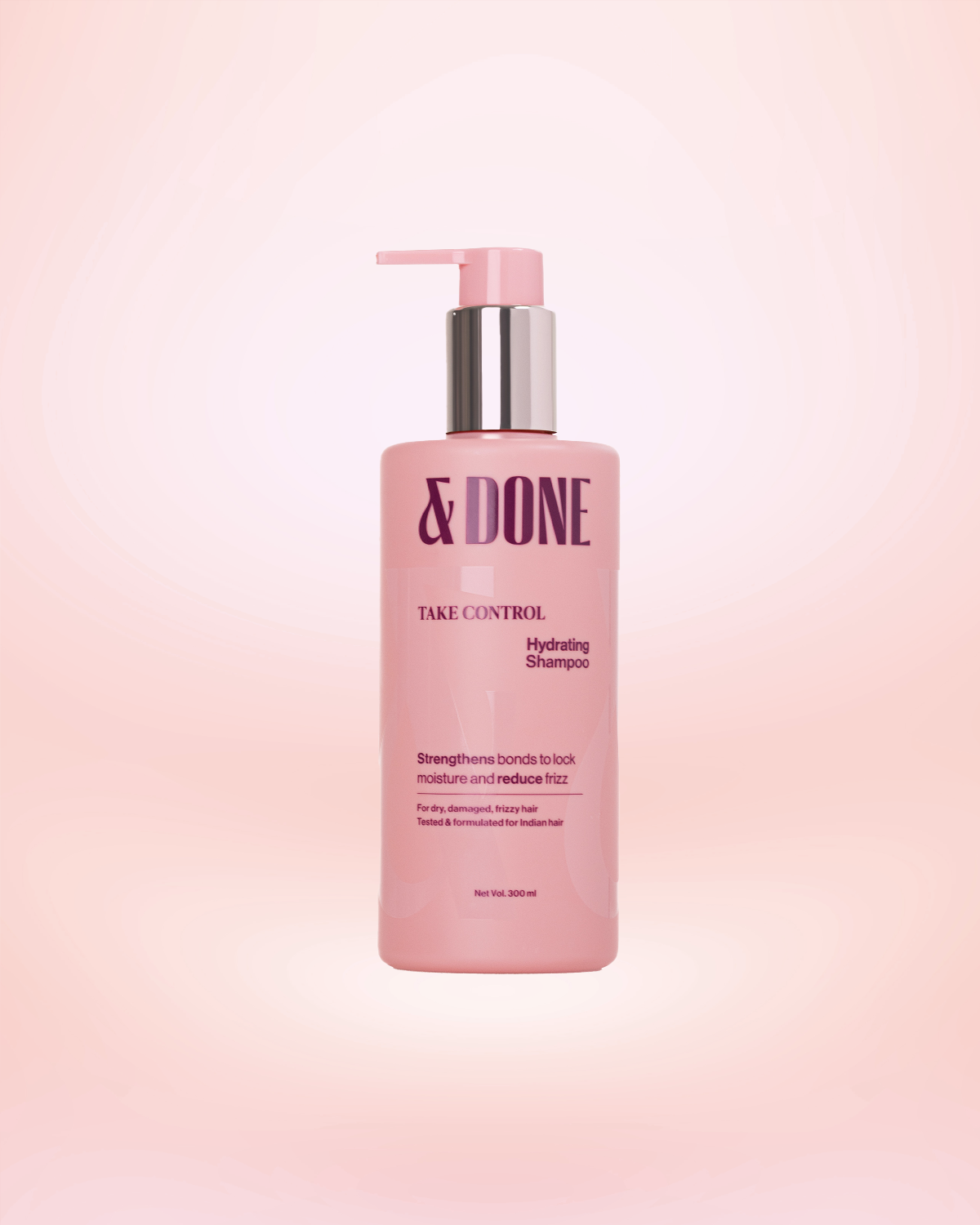
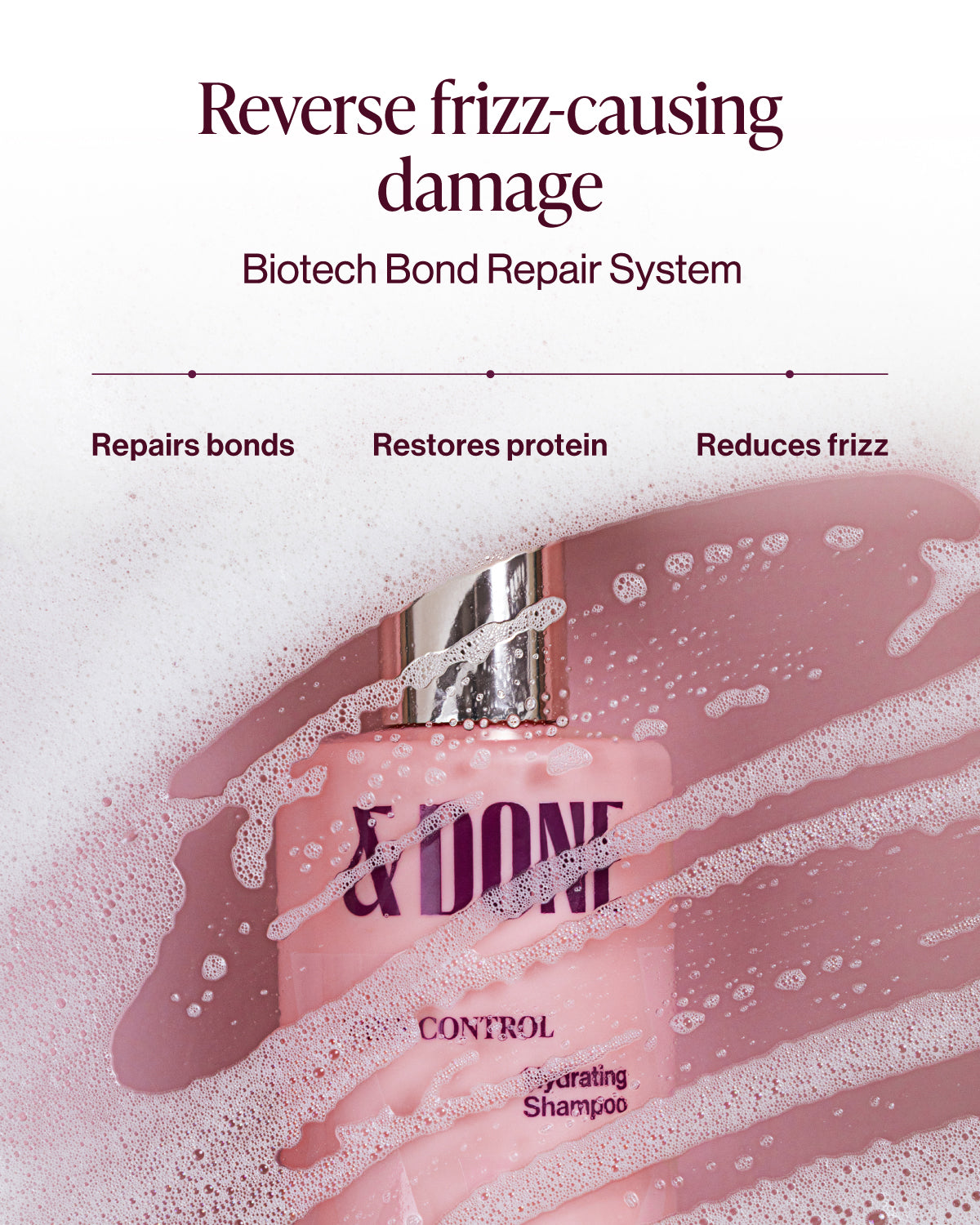
Great results start with proper cleansing. Using a suitable shampoo helps prepare strands so the conditioner can do its job fully. A gentle hydrating shampoo is a good option when hair feels dry or tight after washing because it cleans without stripping away too much natural moisture.
Rinse thoroughly before moving on. Leftover shampoo can block conditioner from spreading evenly and reduce its effectiveness.
Preparing Hair Before Application
Once shampoo is rinsed out, gently squeeze excess water from your hair. Hair should be damp, not dripping. This small step helps prevent the conditioner from sliding off without absorbing. Proper preparation makes a noticeable difference in how smooth and soft hair feels after rinsing.
At this stage, you are ready to move into learning how to use conditioner after shampoo in a way that feels effortless and effective.
Applying Conditioner the Right Way
Understanding how to apply conditioner makes all the difference between flat hair and smooth, healthy-looking strands. Take an amount suited to your hair length and thickness. Short hair needs less, while longer or thicker hair needs more coverage.
Apply conditioner starting from the mid-lengths and moving down to the ends. The ends are the oldest part of the hair and usually the driest because they have been exposed to brushing, heat, and environmental stress for longer.
Spreading Conditioner Evenly
Knowing how to apply conditioner on hair also means making sure it is evenly distributed. Use your fingers or a wide-tooth comb to gently spread the product. This helps every strand benefit from moisture without rough pulling or unnecessary breakage.
Avoid applying conditioner directly to the scalp unless the product is designed for that purpose. Most conditioners are meant to smooth lengths, not roots.
Letting Conditioner Do Its Work
Conditioner needs a little time to soften and smooth hair properly. Leaving it on for two to five minutes allows the formula to coat strands and reduce friction between them. During this short pause, hair becomes easier to detangle and less likely to snap during rinsing or styling.
Deep conditioning treatments need more time because they are designed to deliver extra nourishment to dry or damaged hair.
Rinsing for Smooth Results
Rinse hair thoroughly using lukewarm or slightly cool water. Cooler temperatures help smooth the outer layer of the hair, which increases shine and reduces frizz. Make sure no product residue is left behind, as leftover conditioner can make hair feel heavy or greasy.
Clean rinsing is just as important as correct application for achieving soft, light results.
Choosing a Conditioner That Matches Your Hair
Selecting the right hair conditioner depends on how your hair behaves day to day. Fine or straight hair often does better with lightweight formulas that soften without weighing strands down. Heavy conditioners can make thin hair lose volume because they coat strands too thickly.
Curly or textured hair usually benefits from richer formulas. Natural oils have a harder time traveling down curly strands, which makes them more prone to dryness. A nourishing conditioner helps curls stay defined and flexible instead of brittle.
How Often Conditioning Makes Sense
A common concern is how often should you condition your hair. For most people, conditioning every time they shampoo is a good rule. Regular conditioning keeps hair balanced, smooth, and easier to manage over time.
Hair that is frequently exposed to heat styling or coloring especially benefits from consistent conditioning to maintain softness and strength.
Conditioning Every Day Explained
Another popular question is should you condition your hair everyday. Daily conditioning can work well, particularly for dry or textured hair types. The key is choosing a formula that suits frequent use. Lightweight conditioners are better for daily routines, while richer formulas are often better used a few times a week.
Hair that becomes oily quickly can still benefit from daily conditioning by focusing only on the ends and avoiding the roots.
Matching Shampoo and Conditioner for Dry Hair
Hair that feels dry, rough, or dull often needs coordinated care. Using shampoo and conditioner for dry hair helps maintain moisture balance from cleansing through conditioning. When both products support hydration, hair feels softer and looks healthier with less effort.
Dry hair responds well to consistency. Skipping conditioner can undo the benefits of a gentle shampoo.
Avoiding Common Conditioner Mistakes
Using too much product is a common mistake. Over-conditioning can leave hair limp and heavy. Applying conditioner to the scalp when it is not needed can also cause buildup that weighs hair down.
Rushing the process is another issue. Conditioner needs a few minutes to work, and skipping that time reduces its benefits significantly.
Building a Simple, Effective Routine
Hair responds best to steady habits. Using the right hair care products consistently helps improve texture and manageability over time. Conditioner is not an optional step but a core part of caring for hair that looks and feels good.
A simple routine is easier to maintain and often delivers better long-term results than constantly changing products or techniques.
Bringing It All Together With &Done
Learning how to use hair conditioner correctly can completely change how your hair feels day to day. When used consistently and thoughtfully, conditioner supports softness, shine, and strength without adding complexity to your routine. At &Done, the focus is on making hair care approachable and effective, especially for beginners who want reliable results.
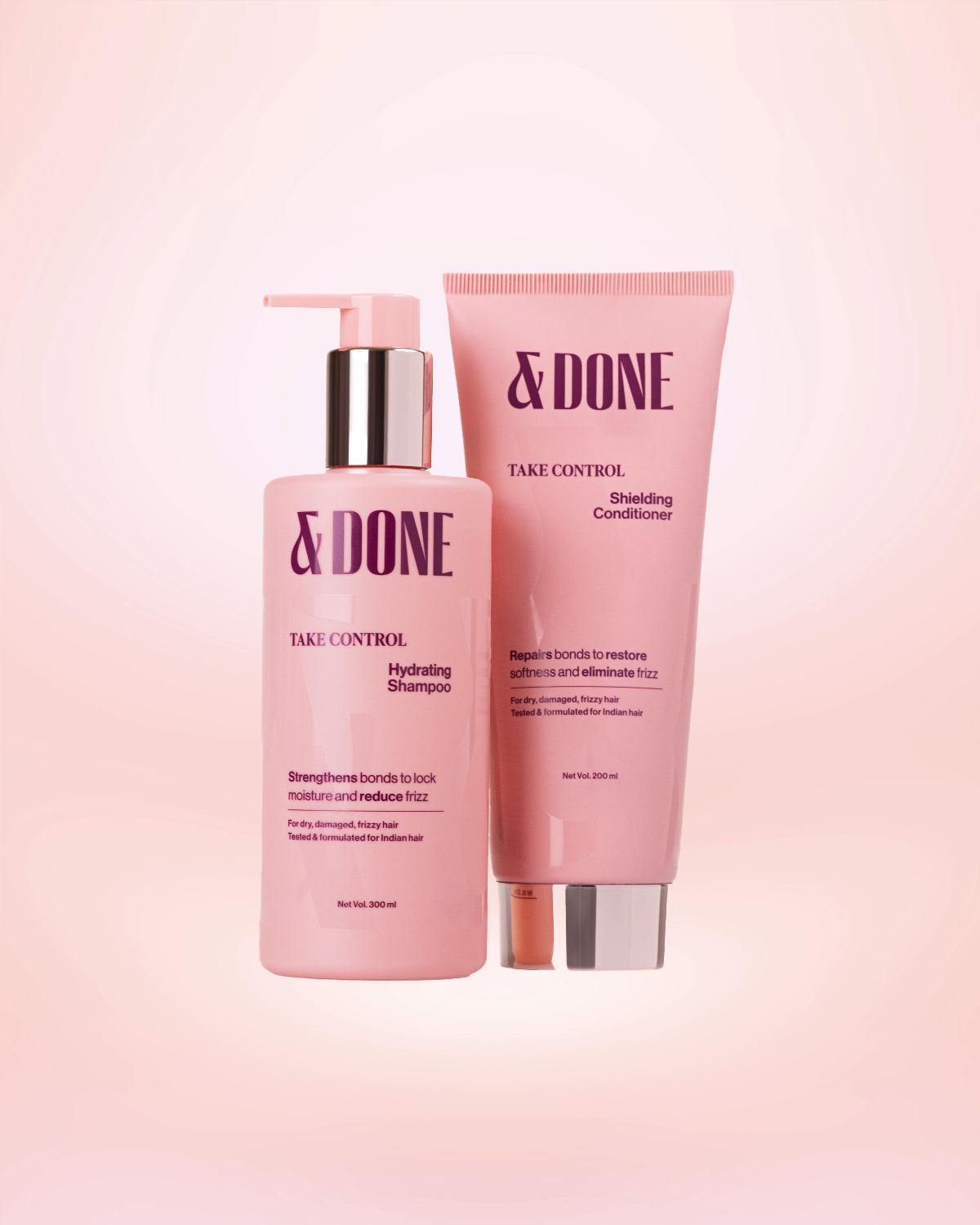
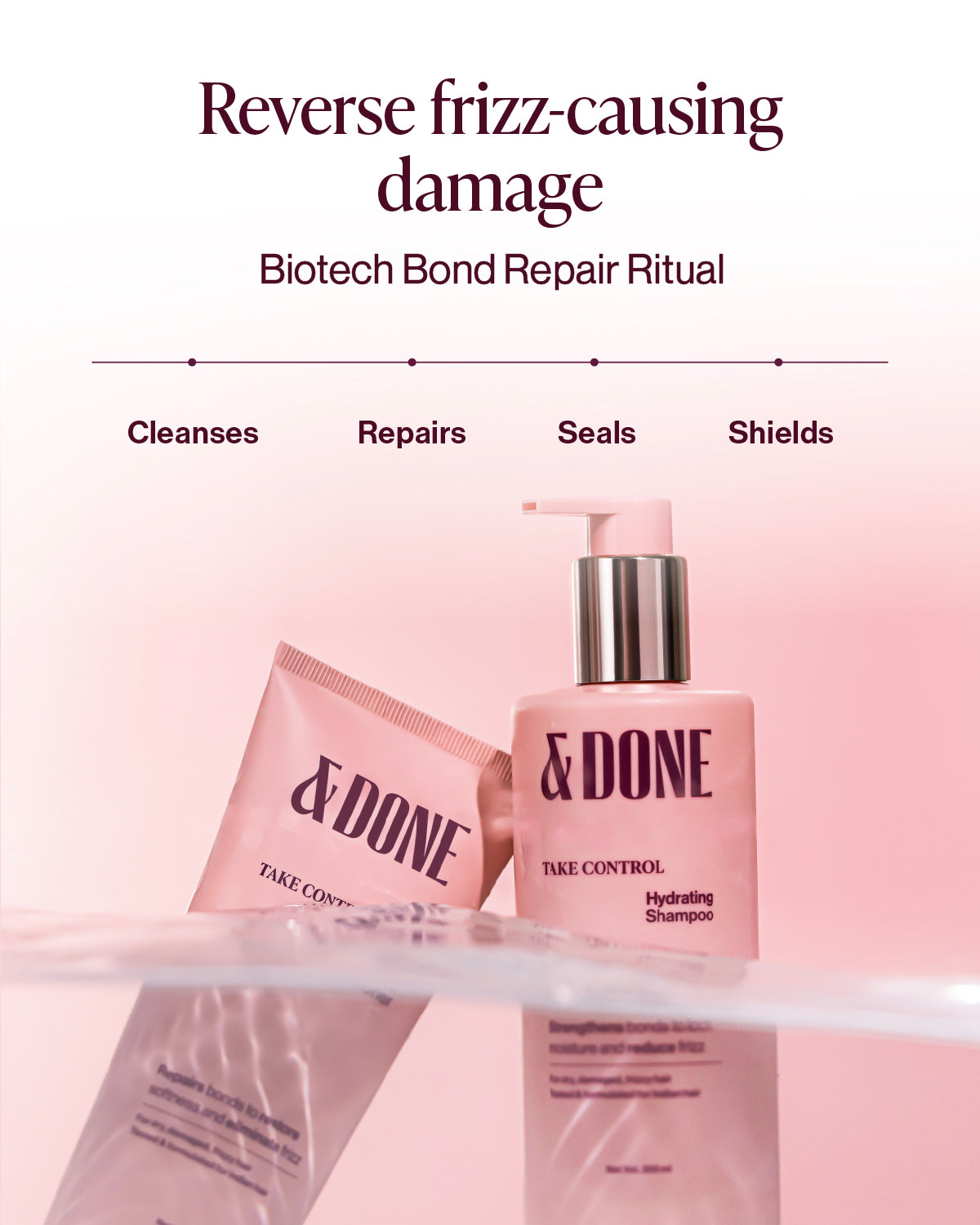
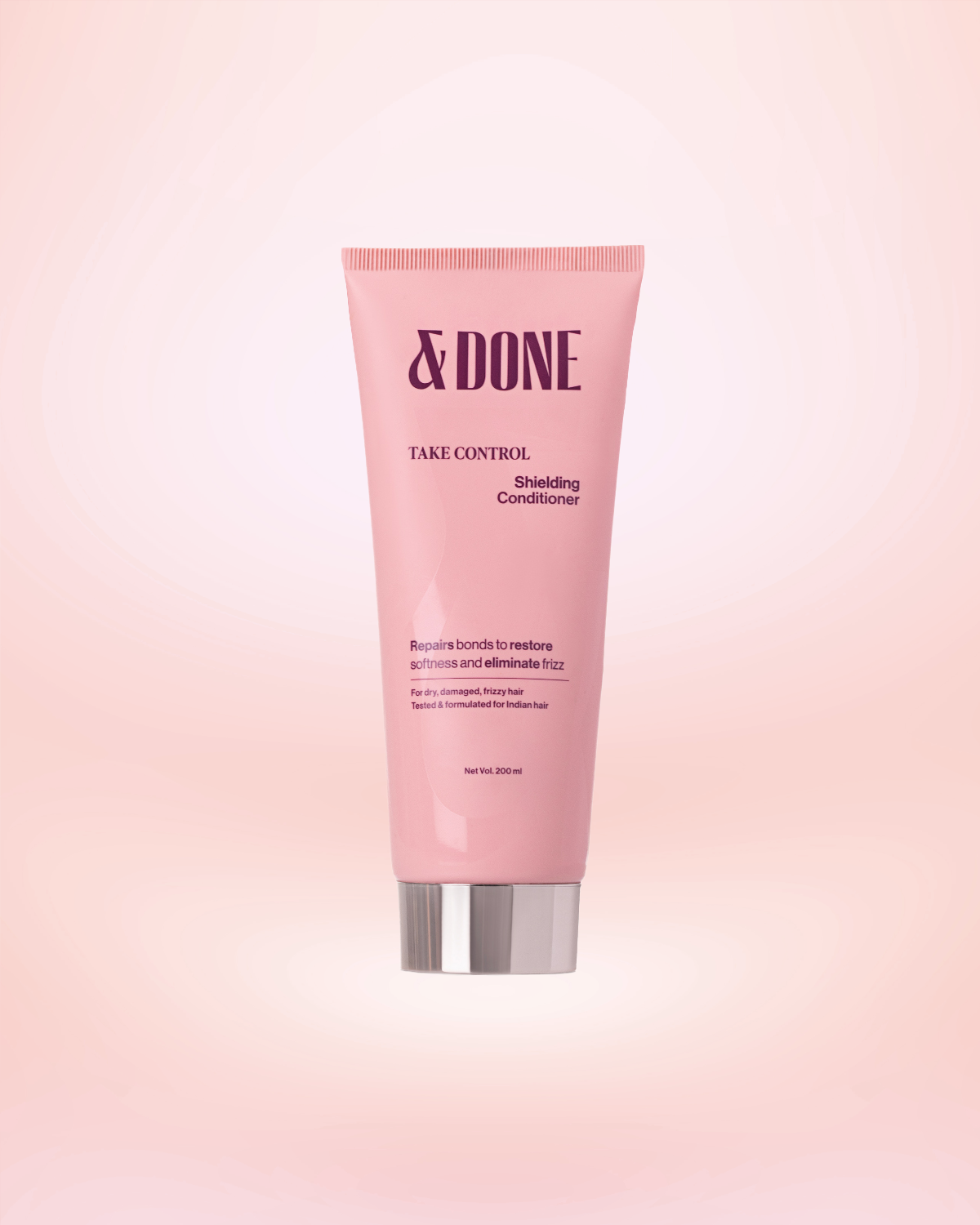
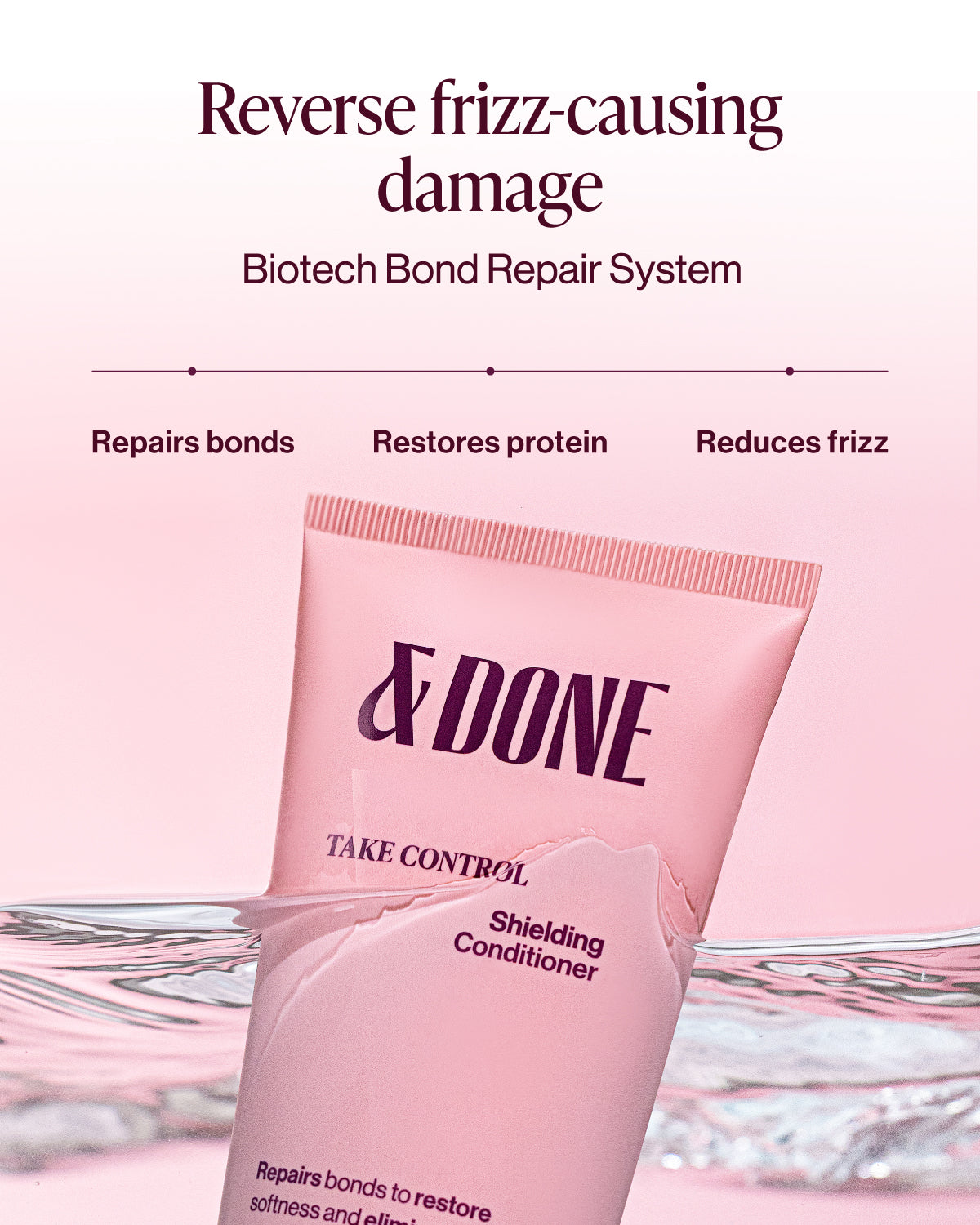
For added protection and smoothness, finishing with a targeted formula like Take Control Shielding Conditioner can help guard hair against daily stress while keeping it soft and manageable. Once you understand how to use hair conditioner properly, smooth hair becomes less of a goal and more of a natural outcome.