
As the chill sets in and the air begins to dry out, your hair often takes the first hit, becoming dull, frizzy, brittle, or lifeless. Cold air pulls moisture out of hair strands, the scalp dries out, and regular styling habits can further strip away natural oils. That’s why a proper winter hair care routine is essential.
You don't need a 10-step routine to figure out how to take care of hair in winter. The solution is easier than you think.
Step 1: Use a hydrating, sulfate-free shampoo
Winter demands a gentler touch. Swap your regular cleanser for a hydrating shampoo that cleanses the scalp without stripping its natural barrier.
Go for an SLS and paraben-free formula:
In winter, scalp and hair are already prone to dryness. Harsh surfactants (like sulfates) can wash away natural sebum needed to fight static and breakage. A sulfate-free formula prevents the brittleness that usually follows a winter wash.
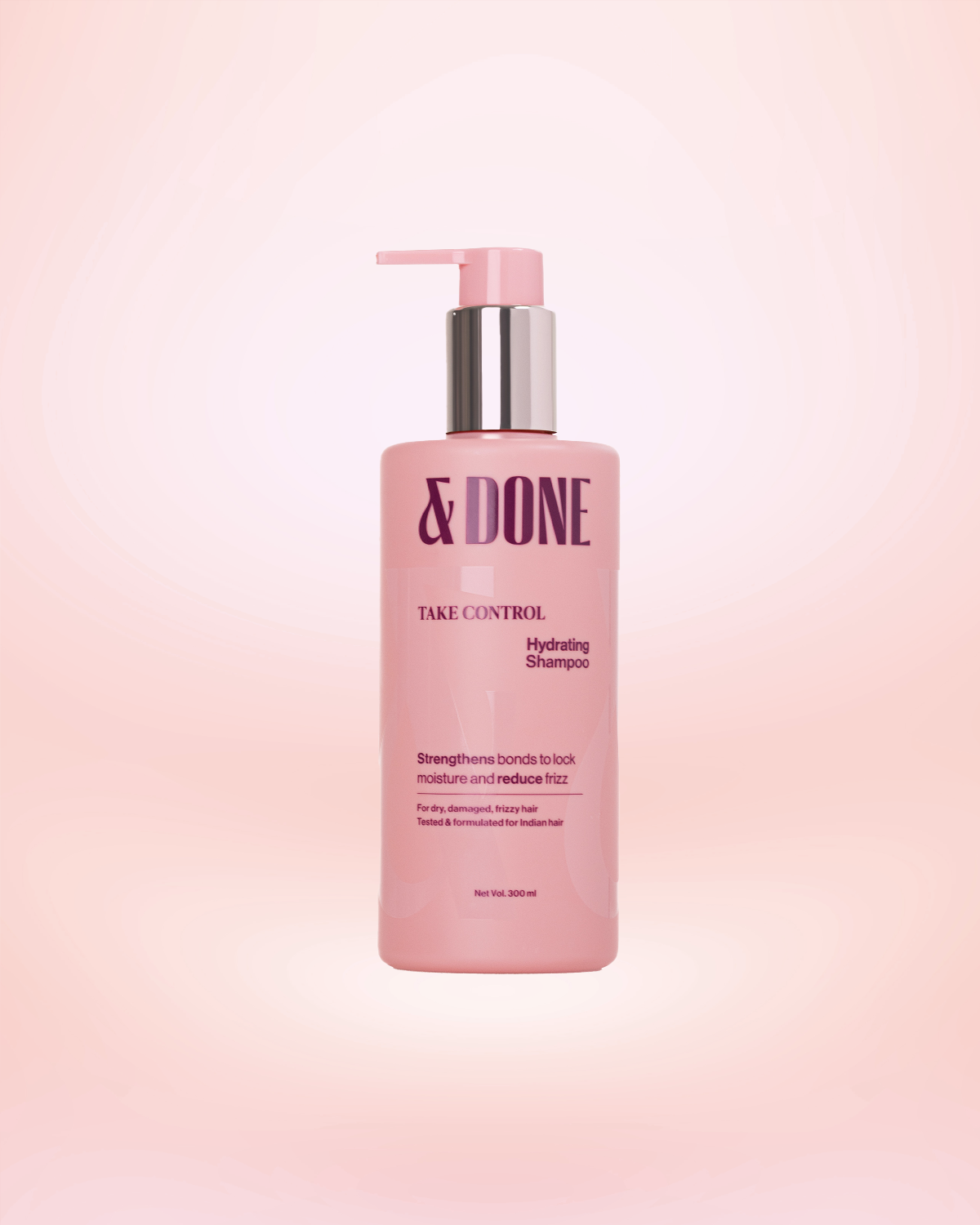
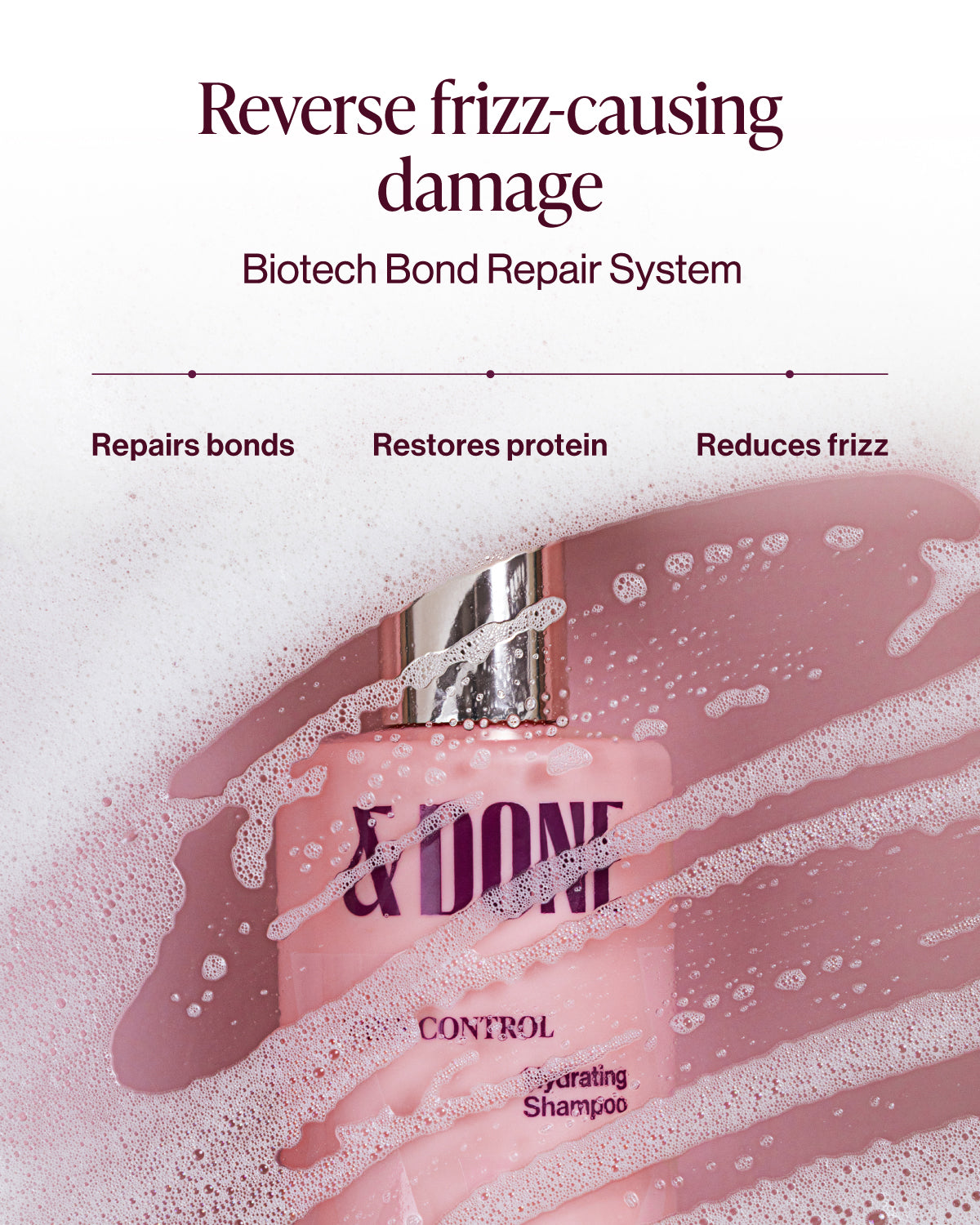
Your perfect winter shampoo: Take Control shampoo
It uses a balanced mix of mild surfactants together with an Arginine-Glycerin Complex, Vitamin B5, and Natural Glycol, all powerful humectants and moisturizers that attract and lock in water, keeping strands soft, hydrated and ready for conditioning.
Use this shampoo as the starting point of your winter hair care regimen to maintain scalp health without dryness.
Step 2: Deep condition After Every Wash
Cleansing is just half the job, hair conditioner seals in the moisture and replenishes nutrients lost during washing or from environmental stress.
In colder months especially, deep conditioning helps maintain softness, elasticity and shine.
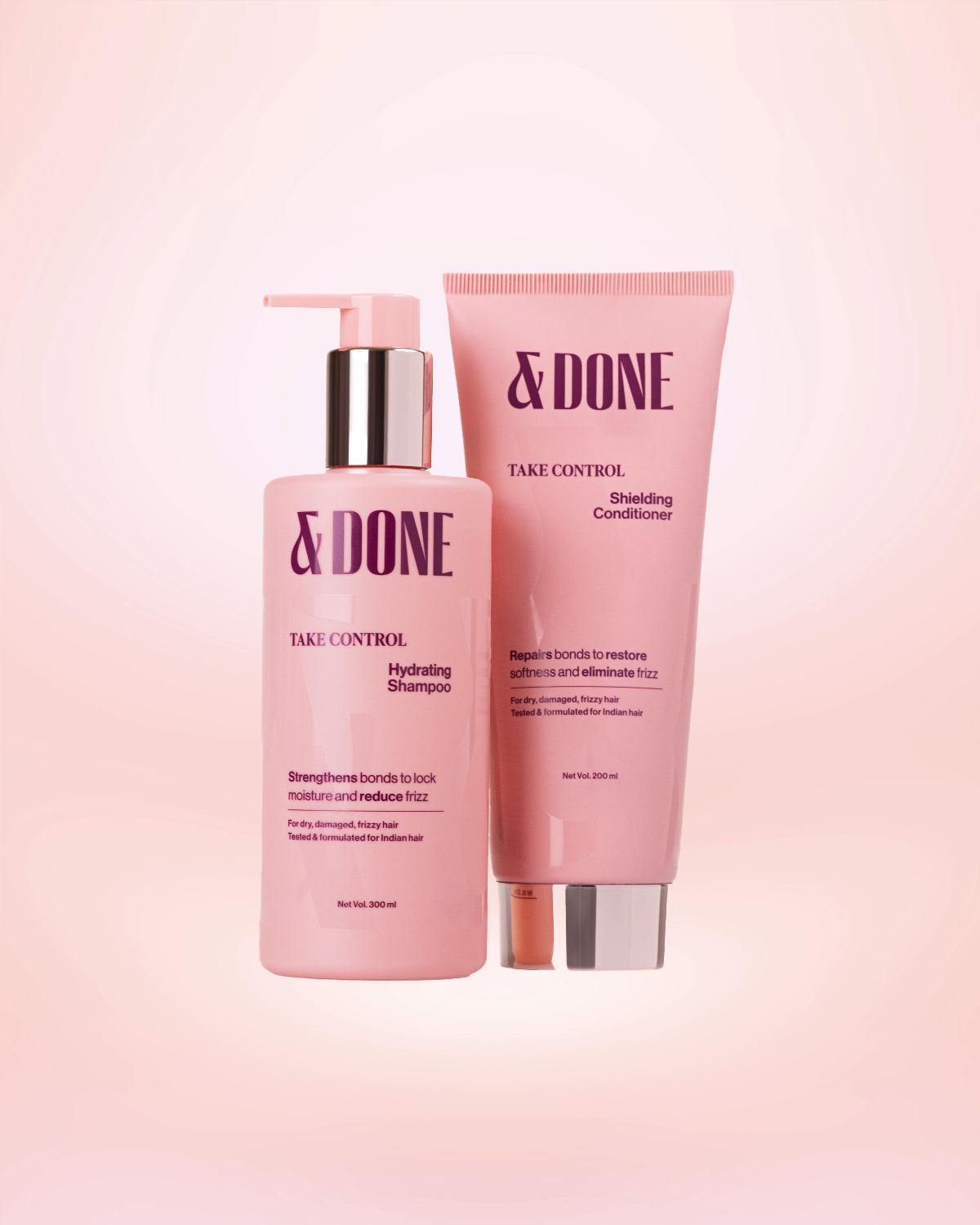
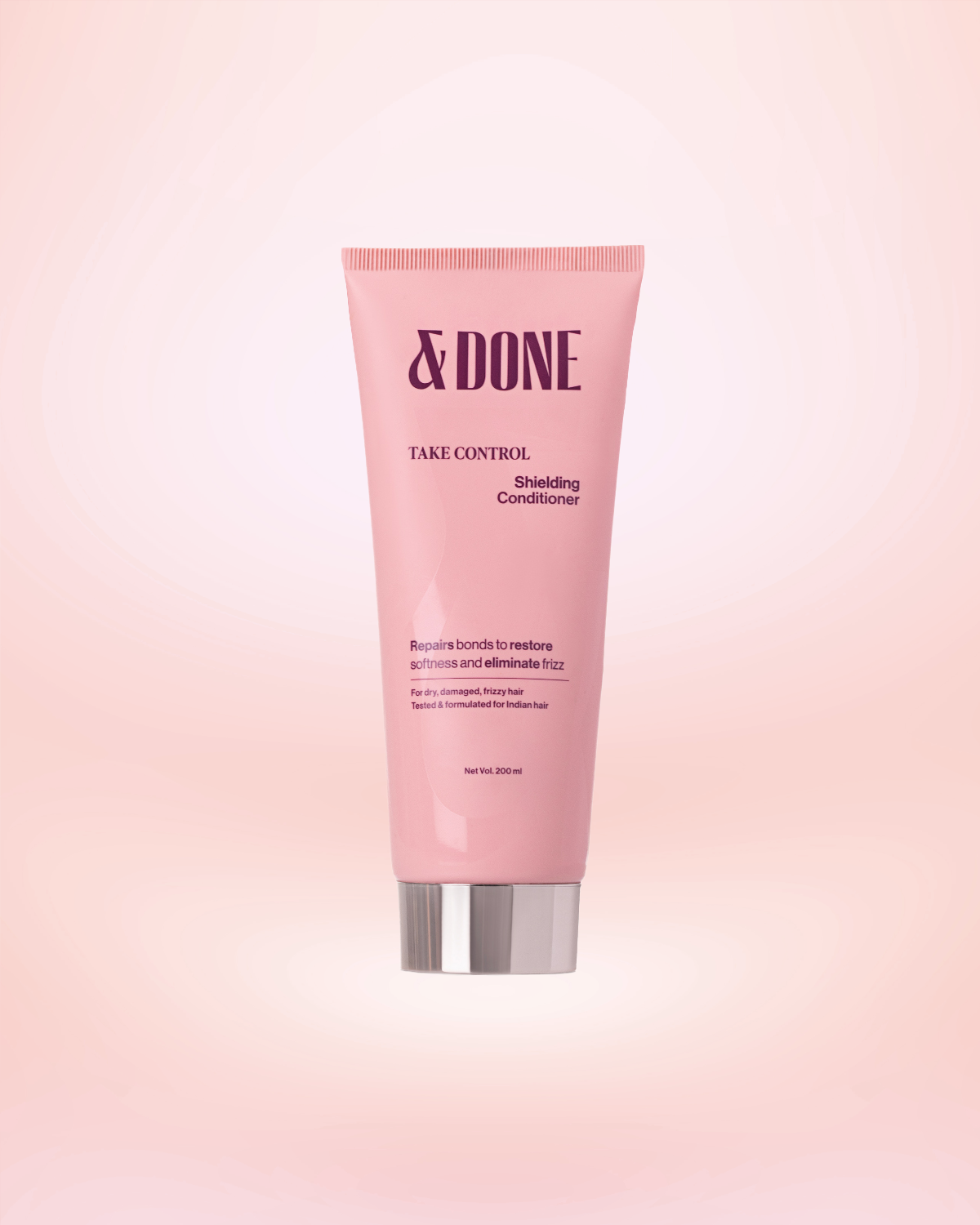
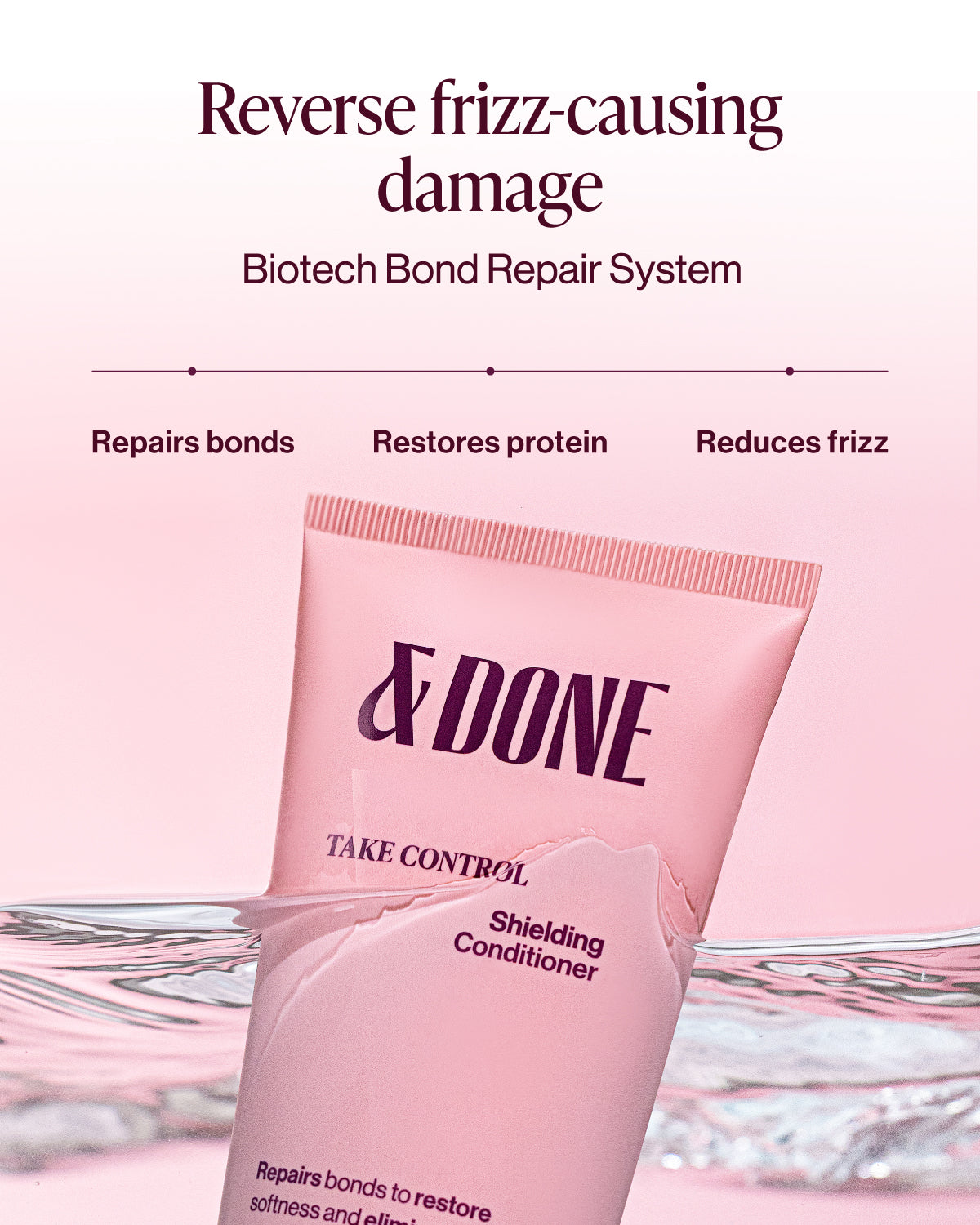
A must-have winter conditioner: Take Control Shielding Conditioner
You get a careful blend of nourishing actives: Olive Squalane and Shea Butter to mimic scalp’s natural oils and deeply condition strands; Vitamin B5 and Glycerin to bind moisture and improve elasticity; Vitamin E to protect from oxidative stress; plus Plant Protein-Silanol Complex and Amino Polymers to strengthen hair structure and preserve colour.
Why deep conditioning matters:
-
It rehydrates hair strands deeply, especially after exposure to cold, dry air.
-
Smoothes and seals the cuticle to reduce frizz and breakage.
-
Adds strength and elasticity, making hair less prone to split ends.
Conditioning is crucial for winter as it turns a simple wash into a repair + nourishment process.
Step 3: Massage with warm hair oil
A warm hair oil massage is essential to any winter hair care routine. During colder months, hair cuticles tighten, leaving strands dry, brittle, and prone to breakage. Massaging your scalp with warm oil helps open the cuticles slightly, allowing moisture and nutrients to penetrate deeply.
What to use: Natural oils like coconut, almond, or argan oil are ideal because they are rich in vitamins and fatty acids that nourish both scalp and hair strands.
How to apply:
-
Warm the oil slightly.
-
Massage gently into your scalp using circular motions.
-
Spread through the lengths, coating each strand evenly.
-
Leave it on for 30–45 minutes before washing.
Why it helps:
-
Soothes dryness and prevents breakage.
-
Stimulates blood circulation to strengthen hair from the roots.
-
Creates a protective barrier that locks in moisture, especially effective after deep conditioning.
Keeps hair soft, hydrated, and manageable throughout the winter months.
Step 4: Apply a Leave-In Serum or Mask (Once Every 2–3 Weeks)
On days when your hair feels particularly dry, or if you use heat styling tools or chemical treatments, a leave-in treatment can make a big difference. It adds an extra protective layer, helps retain hydration, shields hair from environmental stress, and tames frizz.
What to use:
-
Lightweight hair masks or serums with humectants like aloe vera or natural oils that seal in moisture and shine work best.
How to apply:
-
Use a leave-in serum whenever your hair feels dry;and a deep-conditioning mask every 2–3 weeks
-
Apply evenly along the lengths and ends of your hair, avoiding the scalp to prevent buildup.
Why it helps:
-
Locks in moisture and keeps hair soft and smooth.
-
Protects hair from dryness caused by cold, wind, or styling.
Especially beneficial for brittle or colour-treated hair, making it an essential step in your hair care for winter season.
Step 5: Go easy on heat styling and always use a heat protectant
Heat tools like straighteners, blow-dryers, or curling irons strip moisture especially in winter, when hair is already dry. In India, many people have naturally wavy or curly hair, and these textures lose moisture faster since natural oils don’t travel easily along the bends of the strands. Frequent heat styling makes these strands more prone to dryness, breakage, and dullness.
Best practice:
-
Minimise the use of hot tools.
-
When using them, always apply a heat-protectant spray/serum before styling.
-
Opt for natural drying or low-heat settings whenever possible.
Mindful styling integrated in an Indian hair care routine for winter, helps retain hair’s natural strength and shine.
Step 6: Trim every 6–8 weeks to prevent split ends
Dry, brittle hair easily develops split ends.If left unstripped they travel up the strandand weaken your hair over time. Regular trims every 6–8 weeks help eliminate damaged ends, encourage healthier growth, and keep hair looking polished and neat.
Especially if you colour, heat-style, or chemically treat your hair, frequent trimming should become a key step in your hair care winter plan.
Aftercare & Lifestyle Tips for Winter Hair Care
Use lukewarm water, not hot water
Though hot showers feel comforting, hot water strips away natural oils from the scalp and hair. Rinse with lukewarm water instead to protect your scalp’s barrier and prevent dryness.
Protect hair from winter dryness
Cold air and indoor heating reduce humidity, causing hair to lose moisture faster. If possible, use a humidifier indoors. After washing, softly towel-dry instead of rubbing hair aggressively. When wearing hats or scarves to protect hair, choose fabric like satin or silk scarves to reduce friction and breakage. These simple habits form the foundation of an effective winter season hair care approach.
Stay hydrated and eat a balanced diet
Hydration from within is just as important as external care. Drink plenty of water, and include nutrients like vitamins, antioxidants, proteins in your diet that support hair health.
Be gentle while detangling
Use a wide-tooth comb or a soft brush, and detangle gently from ends to roots. Hair is more fragile in winter; rough detangling can lead to unnecessary breakage.
Winter Hair Care: Myths vs Facts
Myth 1: Conditioner makes hair greasy in winter
Fact: Skipping conditioner actually makes hair more brittle and dull. Use a lightweight conditioner on mid-lengths and ends to lock in moisture.
Myth 2: Oiling your hair overnight is always good in winter
Fact: Leaving oil on for too long, especially during cold weather can attract dirt and clog the scalp. A warm-oil massage (30–45 minutes) before shampooing is enough.
Myth 3: Hot water helps clean the scalp better
Fact: Hot water strips away natural oils, causing frizz and dryness. Always rinse with lukewarm water to protect moisture.
Why &Done Hair is Your Partner in This Winter
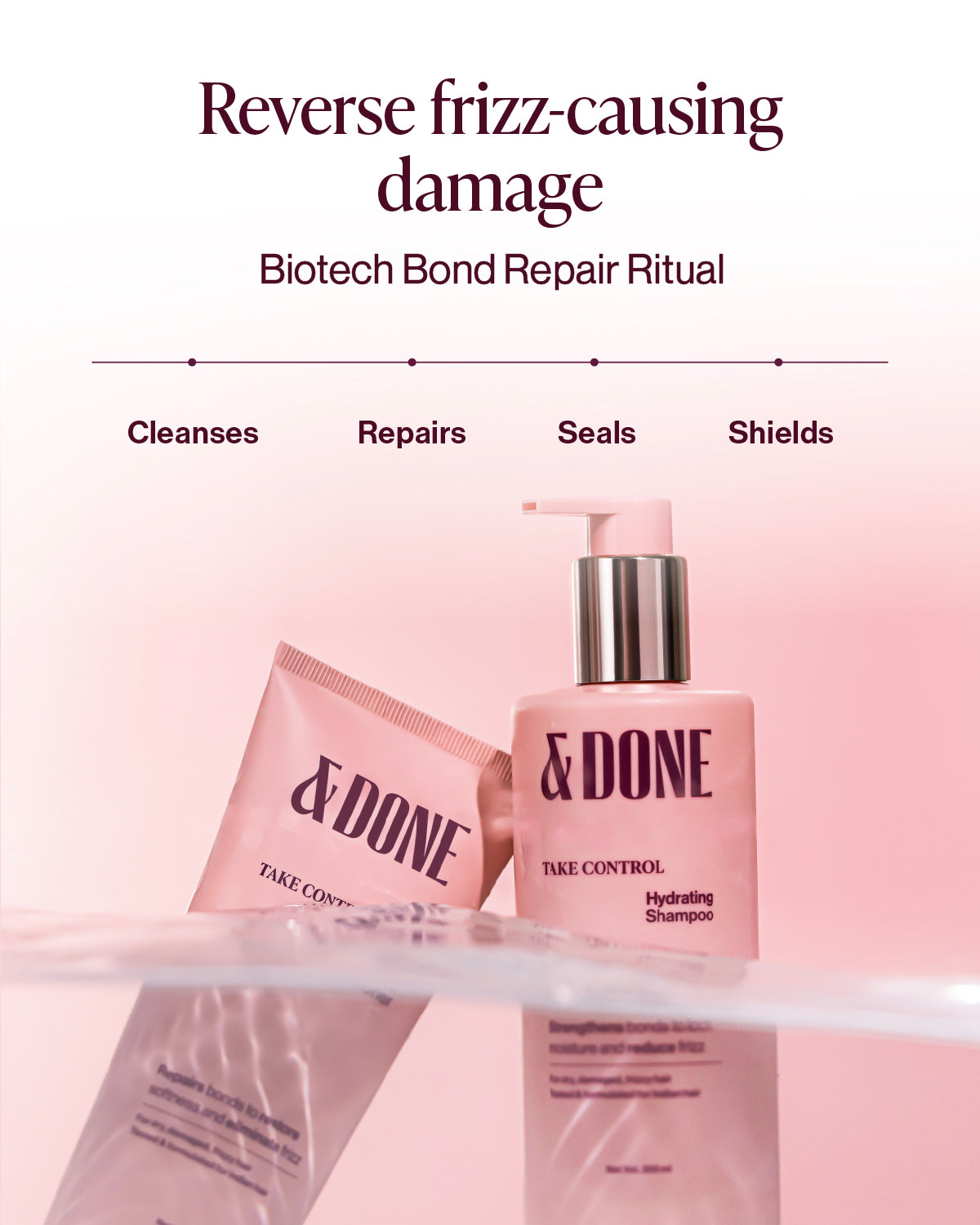
By choosing &Done, you get the best hair care for winter - designed specifically for Indian hair, built to tackle dryness, frizz, colour fade, and daily stressors. Its blend of biotech-powered actives provides deep hydration, moisture retention, strengthened hair fibres, cuticle smoothness, and colour protection.
This isn’t just shampoo & conditioner. It’s your prepared shield against winter’s harshness. It supports a full winter hair care routine, from cleansing, conditioning to long-term hair health.
Embrace This Winter With Hair That’s Soft, Strong & Radiant
Cold weather doesn’t mean compromising on hair health. With a mindful hair care routine for winter, and the right products like &Done’s Take Control shampoo and conditioner for dry hair, your hair stays nourished, smooth, and vibrant no matter how harsh winter gets.
Important hair care tips for winter:
-
Prioritise hydration
-
Protect your strands
-
Treat your scalp with care.
When you do, your hair won’t just survive winter, it will thrive.
Here’s to a season of warm scarves, cosy sweaters, and glossy, resilient hair.