You've probably noticed that dry, brittle, slightly greenish cast your hair takes on after a summer of pool sessions. That's not just the water! That's chlorine doing what it's designed to do, oxidise.
Yes, it's superb at cleaning pools, but it's methodical about removing all the things that make your hair healthy.
This is exactly why learning how to protect hair from chlorine matters if swimming is part of your routine. Chlorine is a powerful oxidising agent. It does damage to your hair when it comes in contact with it, as it penetrates your hair's protective seal (lipid layer on the cuticle) and causes moisture loss and damage.
In fact, the exposure to water in the pool is an extra burden on Indian hair that is already struggling with hard water minerals, heat, and humidity on a regular basis.
The result? Hair that snaps, frizzes and does not hold its shape as much as it should. The great thing is, you can swim, and your hair can flourish. The secret is to take the right approach, before you get into the water and when you step out. Learning how to protect hair from chlorine early makes all the difference in long-term hair health.
Before You Swim: How to Protect Hair from Chlorine
1. Saturate Your Hair with Clean Water First
Dry hair is porous hair; it takes in anything it comes into contact with first. If you wet your hair with fresh water before entering the pool, you are pre-loading the hair shaft to lessen the amount of chlorinated water that gets into the shaft. This one habit reduces the amount of chlorine absorption significantly. Always do it, even if you're just taking a dip. This is one of the easiest ways for anyone researching how to protect your hair from chlorine before swimming.
2. Apply a Protective Layer
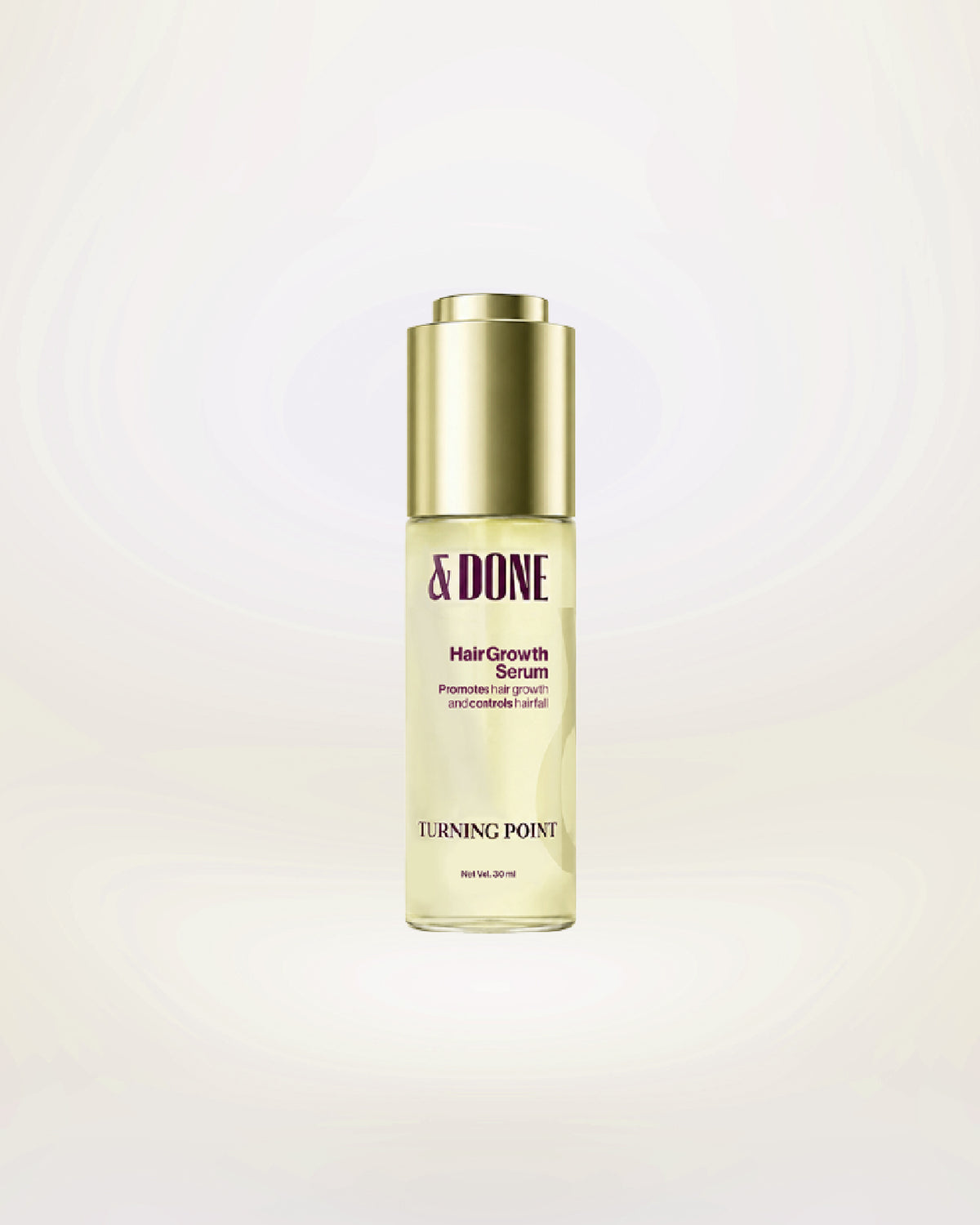
This is the barrier step in your thinking. Use a leave-in conditioner or light serum before swimming. Here, our hair repair serum is especially effective, thanks to its active ingredients, which lie on the surface of the hair to protect it from direct contact with the chlorine and do not make it heavy. Apply from the root to the tip, concentrating on the weakest parts. This is a crucial part of hair care for swimmers, as it establishes a protective barrier before chlorine exposure starts.
3. Braid or Bun It Up
Loose hair will have the greatest surface area. A ponytail or bun reduces the amount of hair that touches the pool water. It's not a foolproof solution, but it certainly minimises mechanical stress on hair that is free to wobble in chlorinated water, particularly on longer locks that are in the water for longer. Swimming protective styling is one of the smarter things to do if you're looking how to protect hair when swimming.
4. Use a Silicone Swim Cap
If you swim regularly, this is a necessity. A silicone cap (not latex) will keep your hair almost completely dry. When used in combination with the pre-swim serum application below, you have created a solid barrier to chlorine exposure. It's the one that competitive swimmers swear by, and for a good reason. For serious swimmers, this remains one of the most effective methods for how to protect your hair from chlorine consistently.
After You Swim: How to Protect Hair When Swimming Recovery Matters
1. Rinse Immediately and Thoroughly
Keep hair under clean, cool water when exiting the pool. The more time the chlorine has on your hair, the more damage it causes. This will only take you two minutes, but weeks of repair. Don't wait till you've returned home. Even though rinsing away the chlorine from hair after swimming is an important step that many people overlook, it can make a huge difference in how to protect hair from chlorine effectively.
2. Use a Hydrating Shampoo Correctly
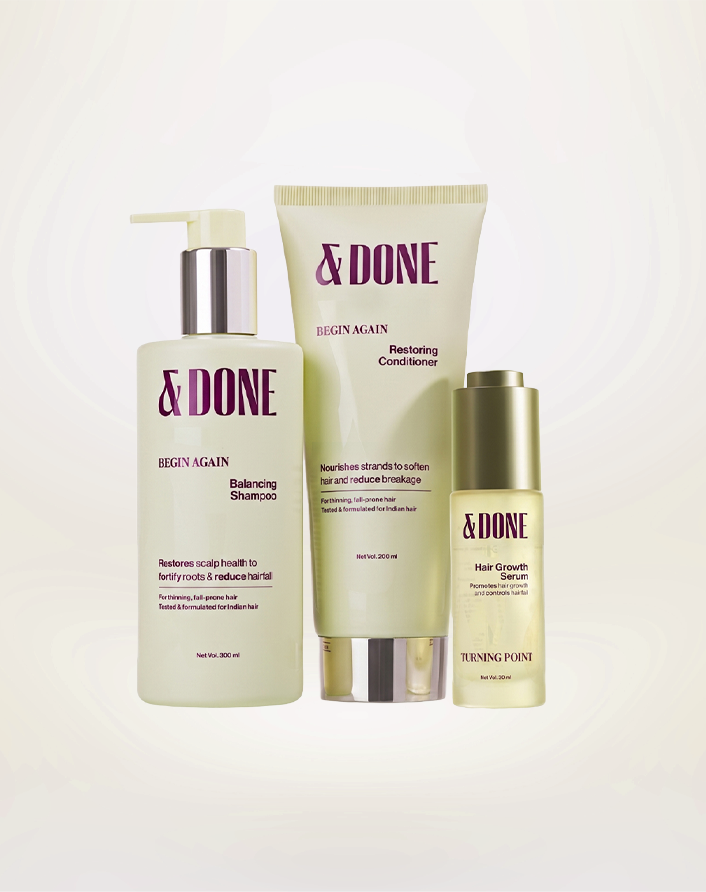
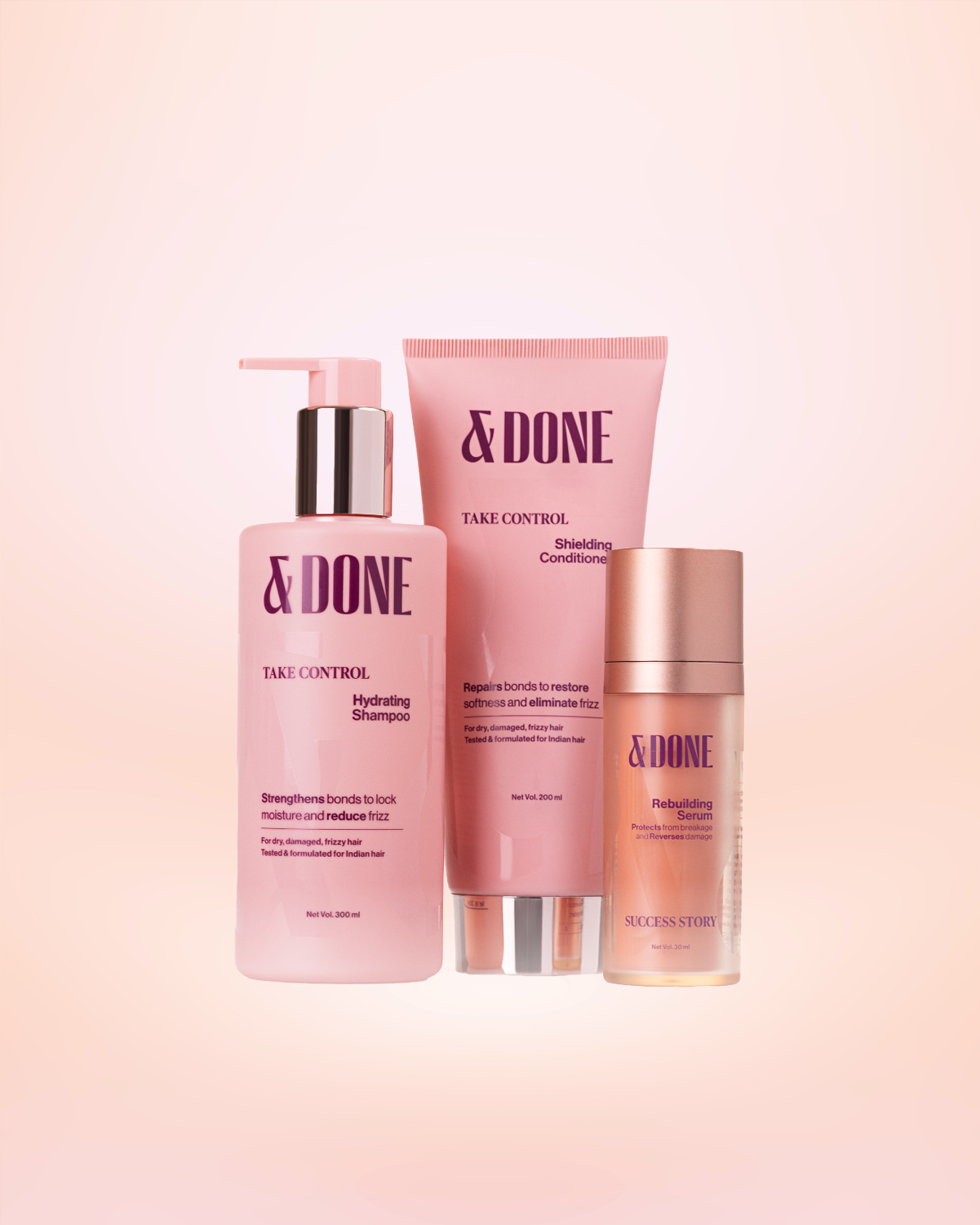
Most people skip deep cleansing with a clarifying shampoo. You should choose a hydrating shampoo that will remove chlorine and mineral buildup, but won't dry out your hair. Our formula does just that; it removes chemical residue and adds moisture with each wash, without leaving your scalp and strands dry or tight. Apply to scalp and then through hair and massage for 1 minute, then rinse. This is a solution to one of the biggest questions on everyone's mind: how to protect hair when swimming without stripping it further. It also answers the common concern: Do you have to wash your hair after swimming? Ideally, yes.
3. Follow with a Deep Conditioner
Hair after swimming is in a vulnerable condition, with lifted cuticles, stressed bonds, and dried-out hair. This is when your hair conditioner should be on the hardest working job of all! Apply mid-lengths to ends, leave on for a few minutes longer than usual and rinse with cool water to help close the cuticle back down. Take your time with this step; it's more than just a superficial task. Proper conditioning is essential in hair care for swimmers, especially for Indian hair exposed to humidity and hard water regularly. This step becomes even more important when asking, does chlorine damage hair over time.
4. Treat with a Repair Serum Before Styling
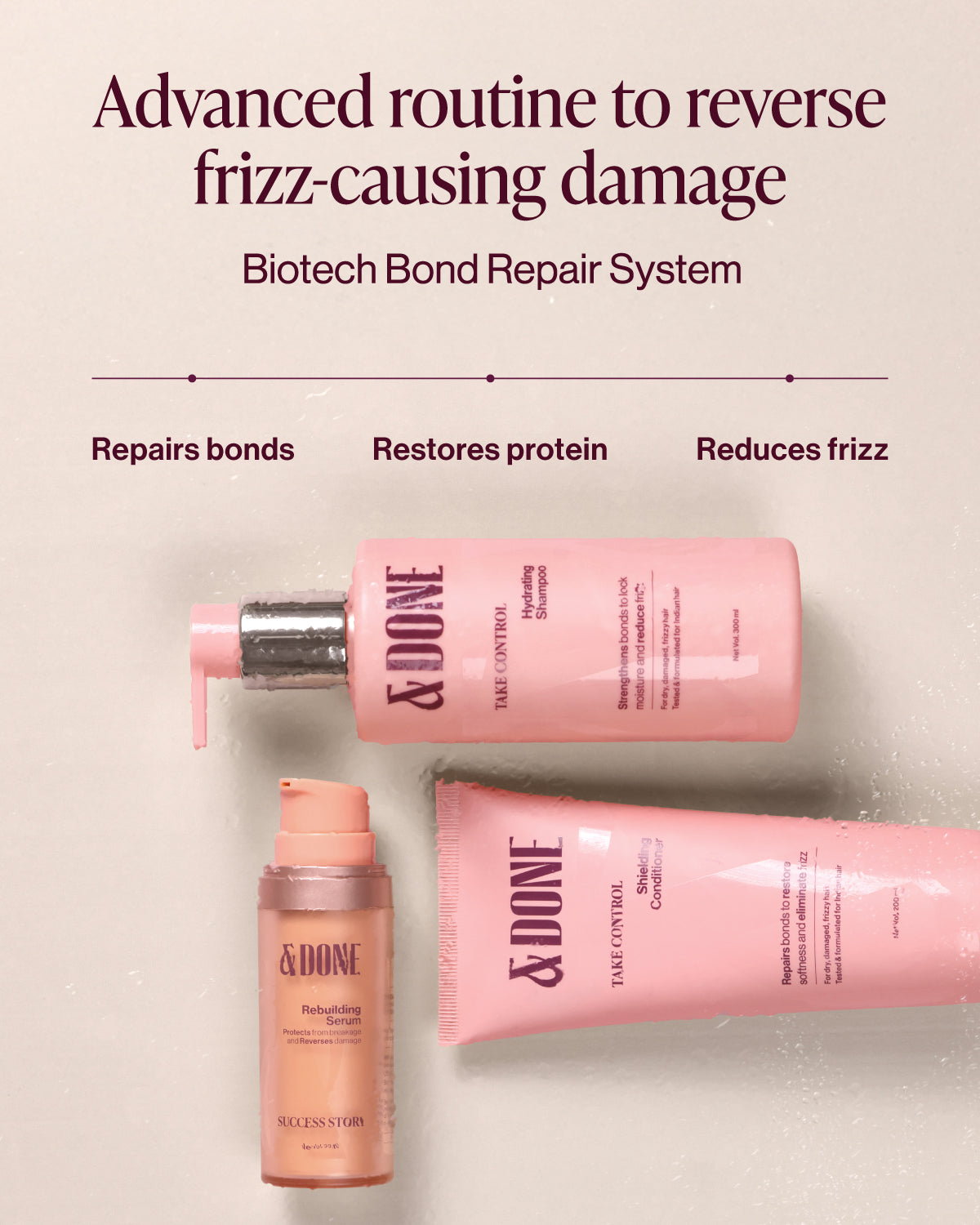
After washing and conditioning, use our hair repair serum to moisturise hair before using heat or styling. It is effective in two ways: the first is that it seals the cuticle so as not to lose any more moisture, and the second is that it repairs damage to the bond caused by the chlorine. It's not something that fixes it once and for all; it is something that has to be maintained after every swim. If you're wondering does chlorine damage hair, bond weakening and moisture loss are exactly where the damage begins.
&Done's Approach to Hair Care for Swimmers
Most hair care for swimmers available on the market have been created for average hair and an average environment. Indian hair doesn't live there. It's about hard water mineral deposits, high humidity, heat styling and now chlorine, all in a single week. That environmental load builds up, and one-off products addressing one issue won't catch up.
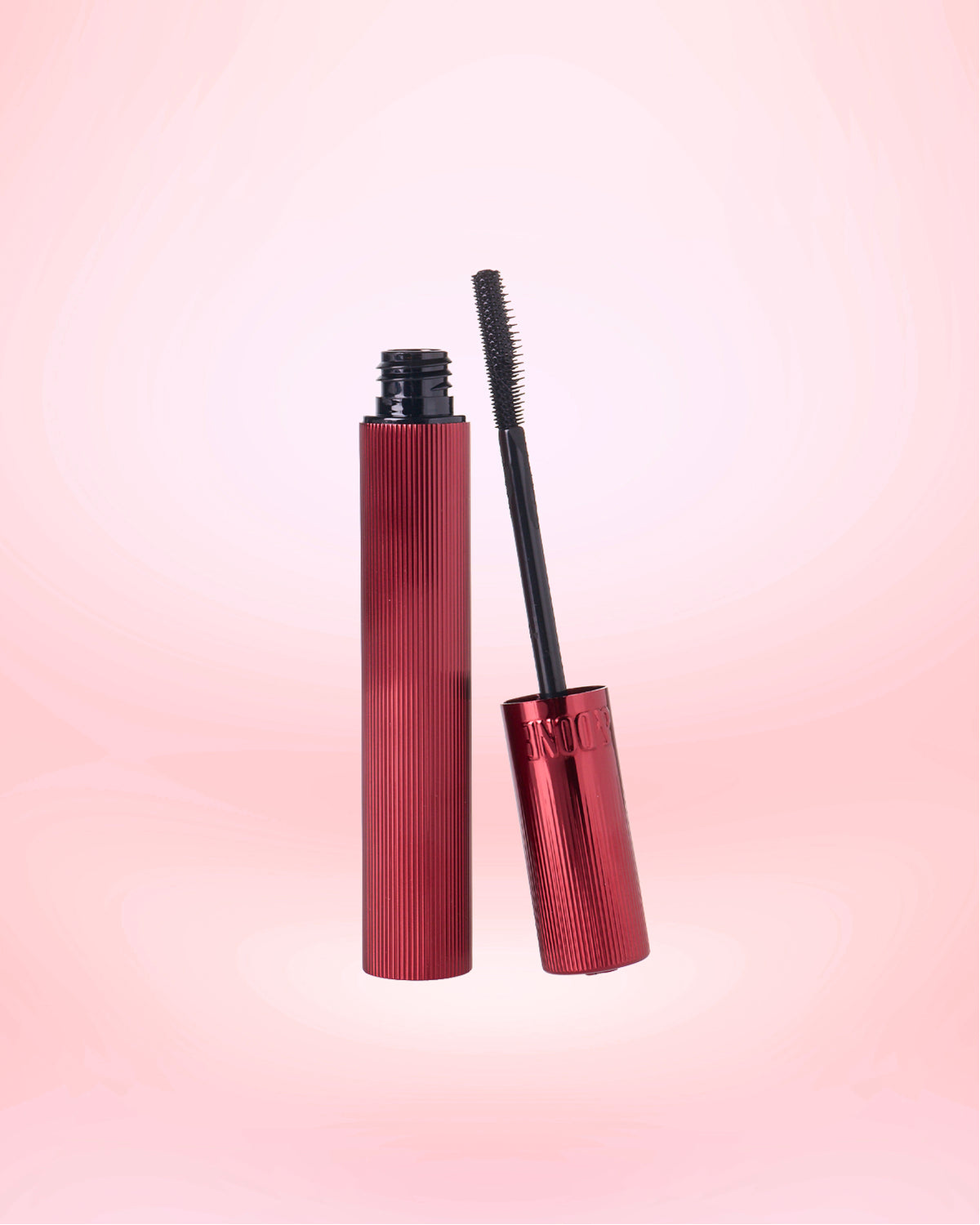
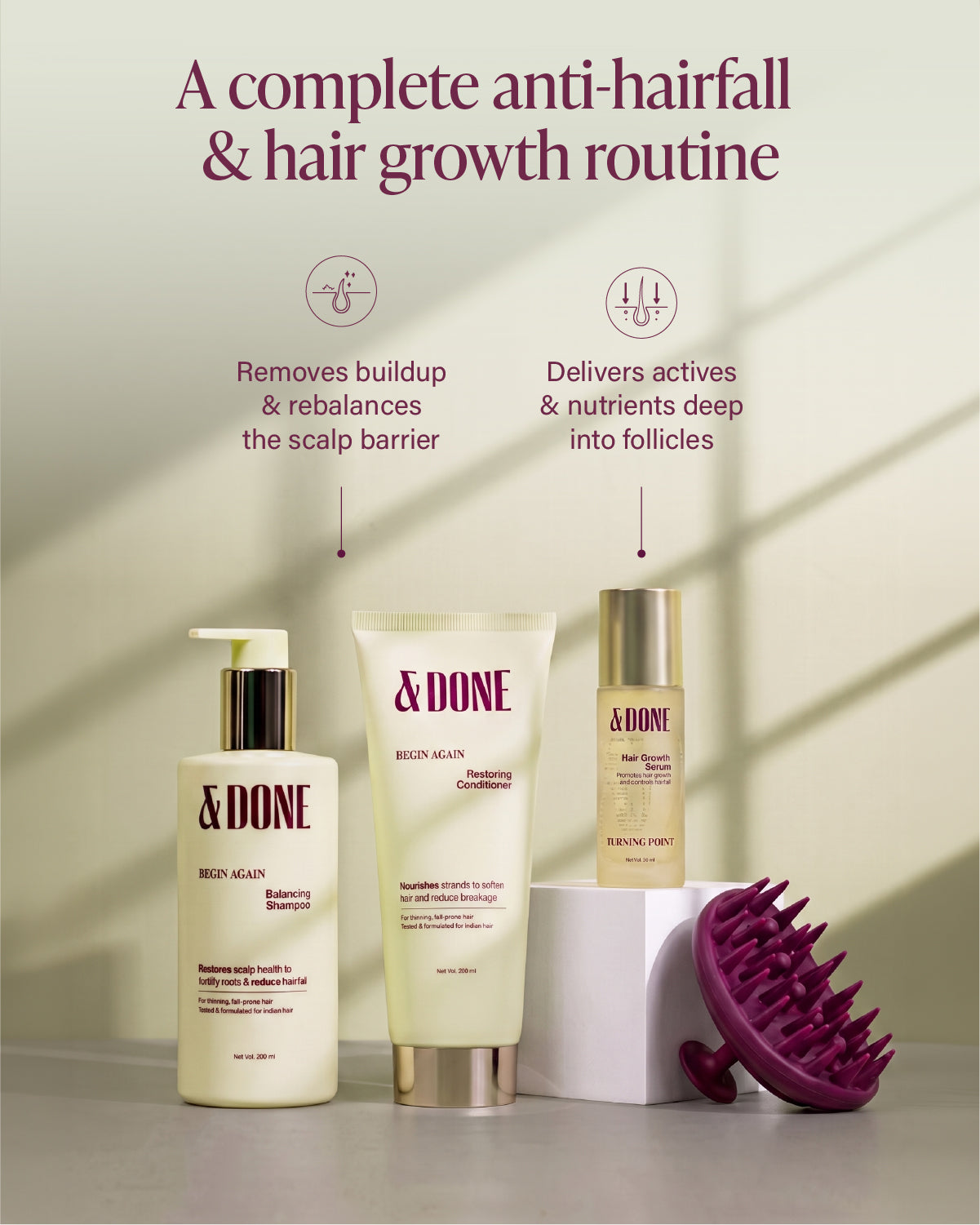
Our formulations were designed as a system. The hydrating shampoo from our range clears chemical and mineral residue without stripping. The hair conditioner restores moisture balance at the cuticle level. The hair repair serum works from the inside out to restore structural integrity. All the steps build on each other.
To prevent chlorine damage to the hair is one thing, but the right tools to support and complement the routine are another. Understanding how to protect hair from chlorine is really about building a system that supports the hair before and after exposure.
The Real Takeaway
Swimming doesn’t have to come at the cost of healthy hair. The essentials are: safeguarding before swimming, cleaning after, and replenishment of moisture and strength with the correct routine. That’s the smarter approach to how to protect hair from chlorine without giving up the pool.
This is your power move!
Frequently Asked Questions
Q. Should I Wash My Hair After Swimming?
Yes. Chlorine continues to dry hair as time goes on. After each swim, a gentle hydrating shampoo like ours at &done cleanses away the residue and replenishes moisture.
Q. Do You Have to Wash Your Hair After Swimming?
Ideally, yes. Shampooing regularly will remove chlorine and aid in hair protection even if you rinse it off with water after.
Q. Is Chlorine Bad for Your Hair?
Yes. But if you have thought about is chlorine bad for your hair, it can damage the cuticle, deplete moisture and cause frizz and breakage over time.
Q. Does Chlorine Damage Hair Permanently?
Repeated exposure (without proper care) can weaken hair over time, but not always. Hence, regularly designed recovery routines play a crucial role when you ask does chlorine damage hair.