Summer is here, and most people remember to reach for SPF before stepping out. Sunscreen on the face, arms, and neck. But hair protection? That’s just dusted under a cap, quite literally.
Here's the thing: your scalp and strands are exposed to the exact same UV radiation, heat, and pollution as your skin. The difference is that there are no immediate warning signs.
No redness, no burn, merely cumulative damages that manifest later as dullness, frizz and hair that just won't hold a style. By the time you find out the protein is gone and cuticle is damaged.
Most people who do think about how to protect hair from the sun reach for heavy oils and step out looking like they've deep-conditioned all morning. So the real question isn't just how to protect hair from the sun. It's how to do it without making your hair greasy, flat, or limp. That's exactly what &Done breaks down.
Does the Sun Damage Your Hair? Here's the Science.
Before the how, there is the why. Can the sun damage your hair the same way it damages skin? Perhaps not in the same way, but the results are the same.
The outermost portion of the hair, the cuticle, is damaged first. The sun's rays damage the keratin (which gives hair strength) and cause the melanin (the natural colour of your hair) to oxidise, leaving it reddish and weak after summer.
For Indian hair, it compounds fast. Hard water, humidity, and heat styling already stress the cuticle year-round. UV exposure on top means it never fully recovers.
Already chemically treated or heat-damaged? The damage moves faster. Compromised cuticles have more gaps for UV to penetrate, accelerating protein loss well beyond what healthy hair experiences.
How to Protect Hair from the Sun (Without the Grease)
The goal is a lightweight, layered approach. Think of it as building a shield, not applying a mask.
1. Lead with a UV-serum, not a heavy oil
This is where most routines go wrong. The instinct is to grab a thick oil for "protection," only to end up with weighed-down, lank hair, and a swear-off of sun protection entirely.
The better option: A hair repair serum applied to damp or dry hair before heading out the door with some cuticle-sealing ingredients. Check for ceramides, hydrolysed proteins and lightweight UV filter ingredients that don't leave a film.
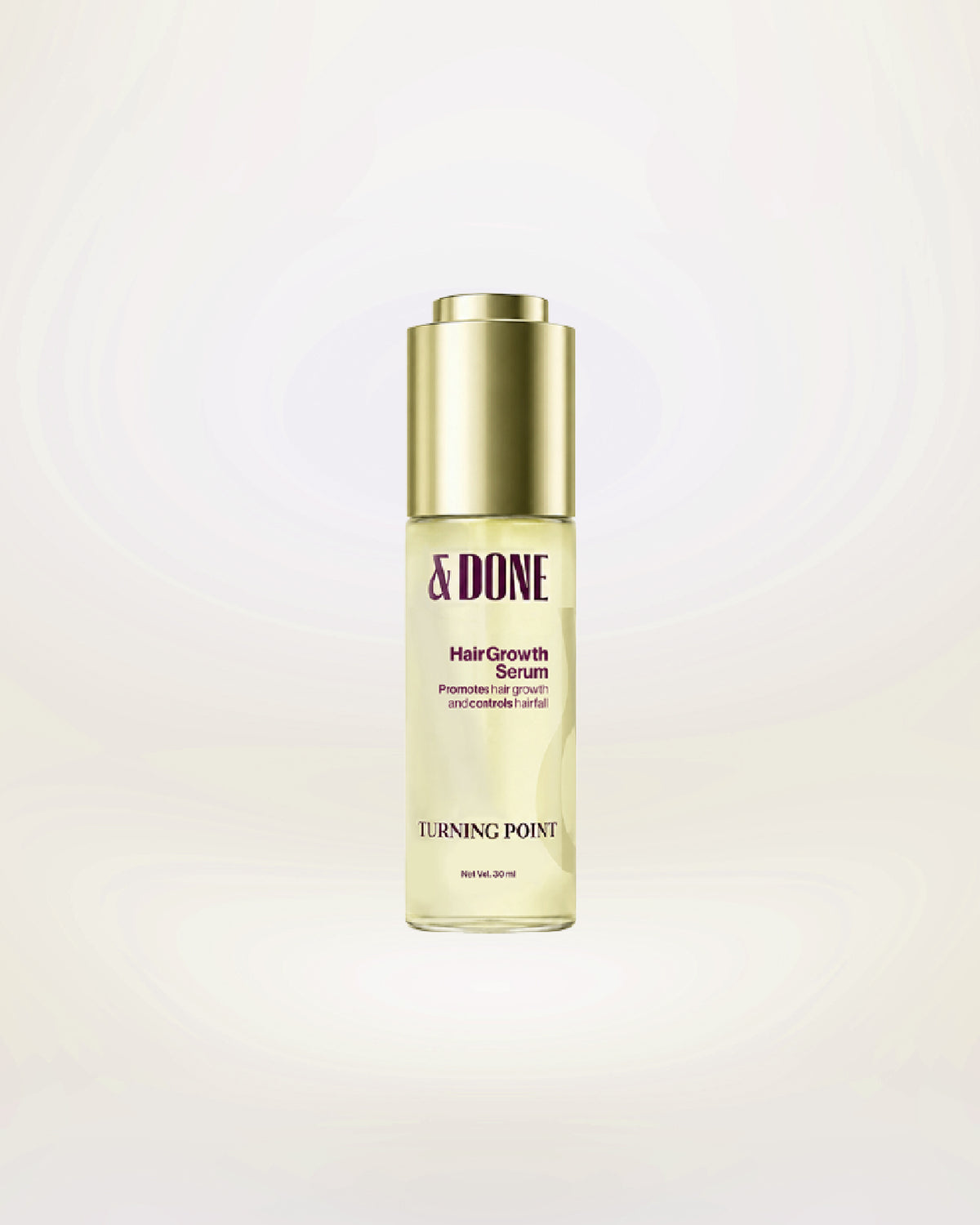
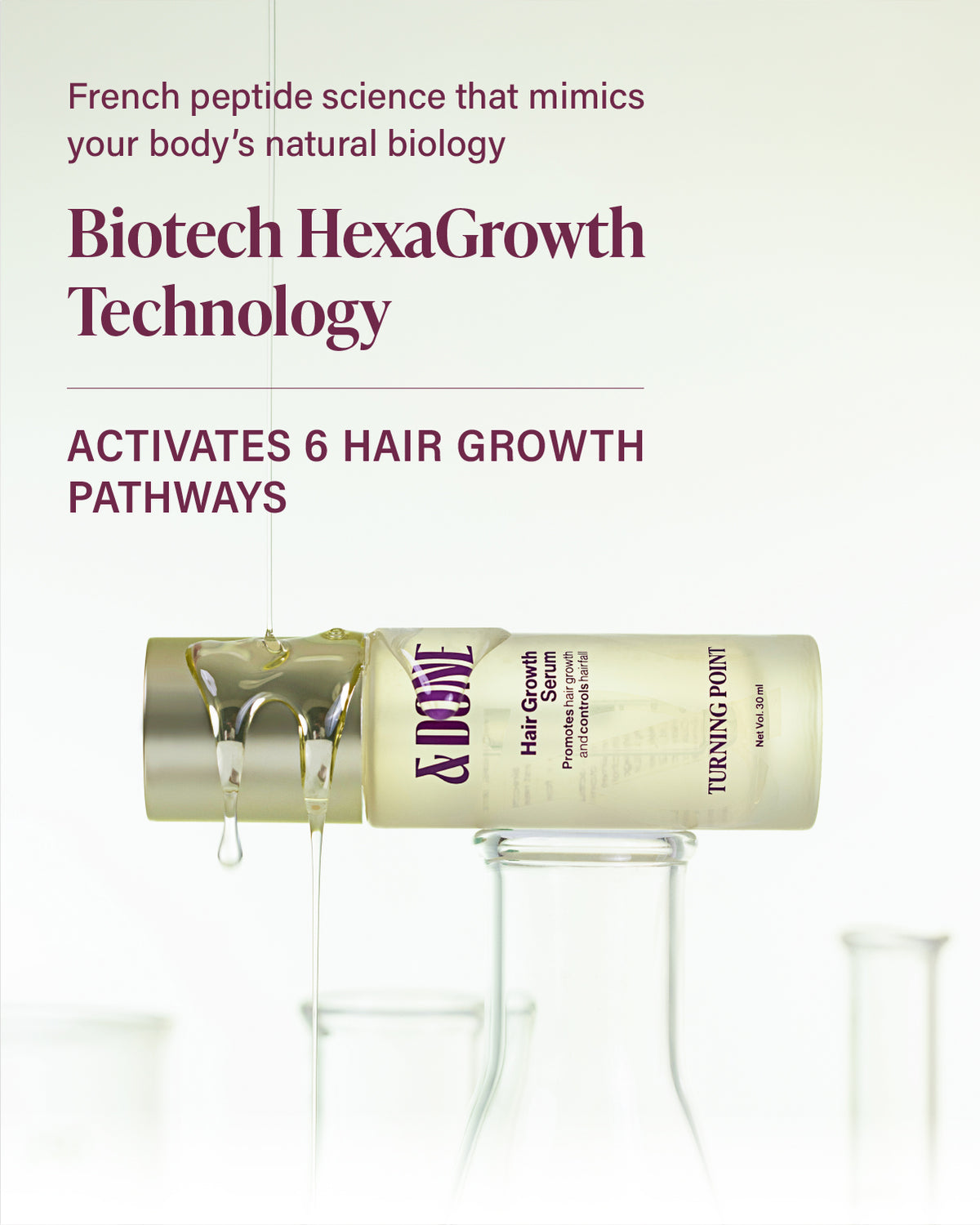
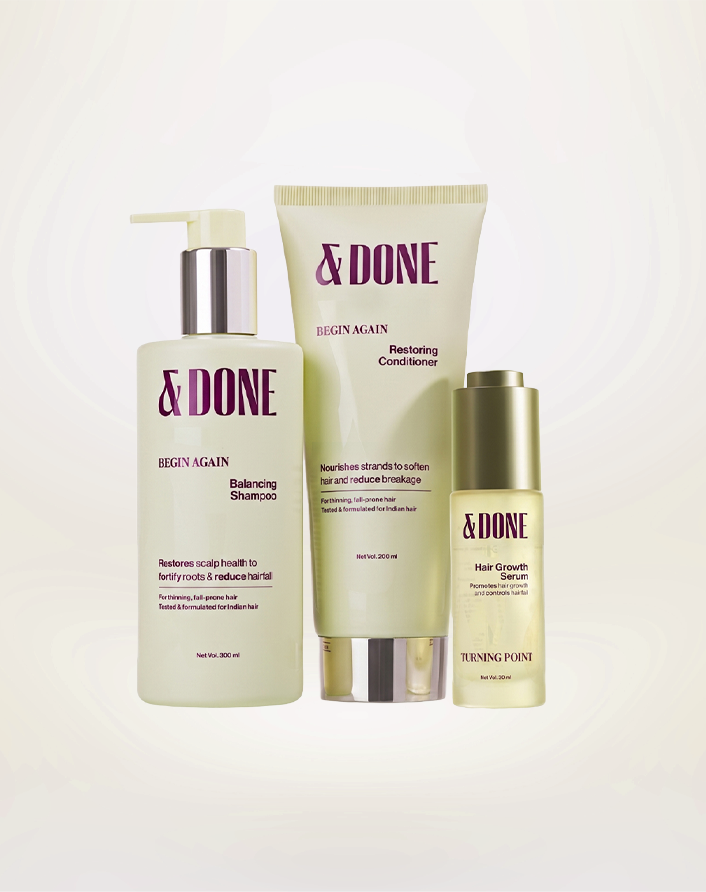
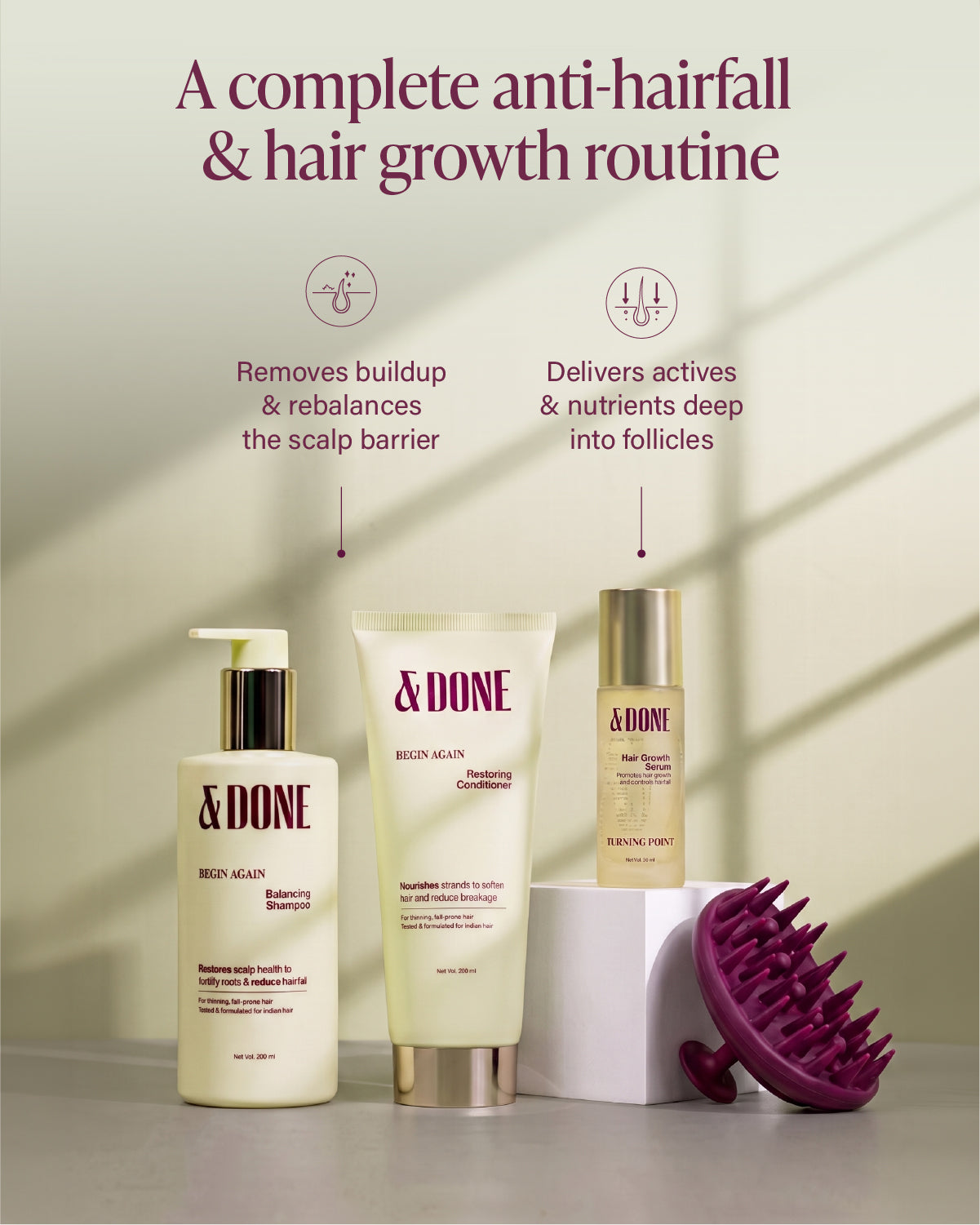
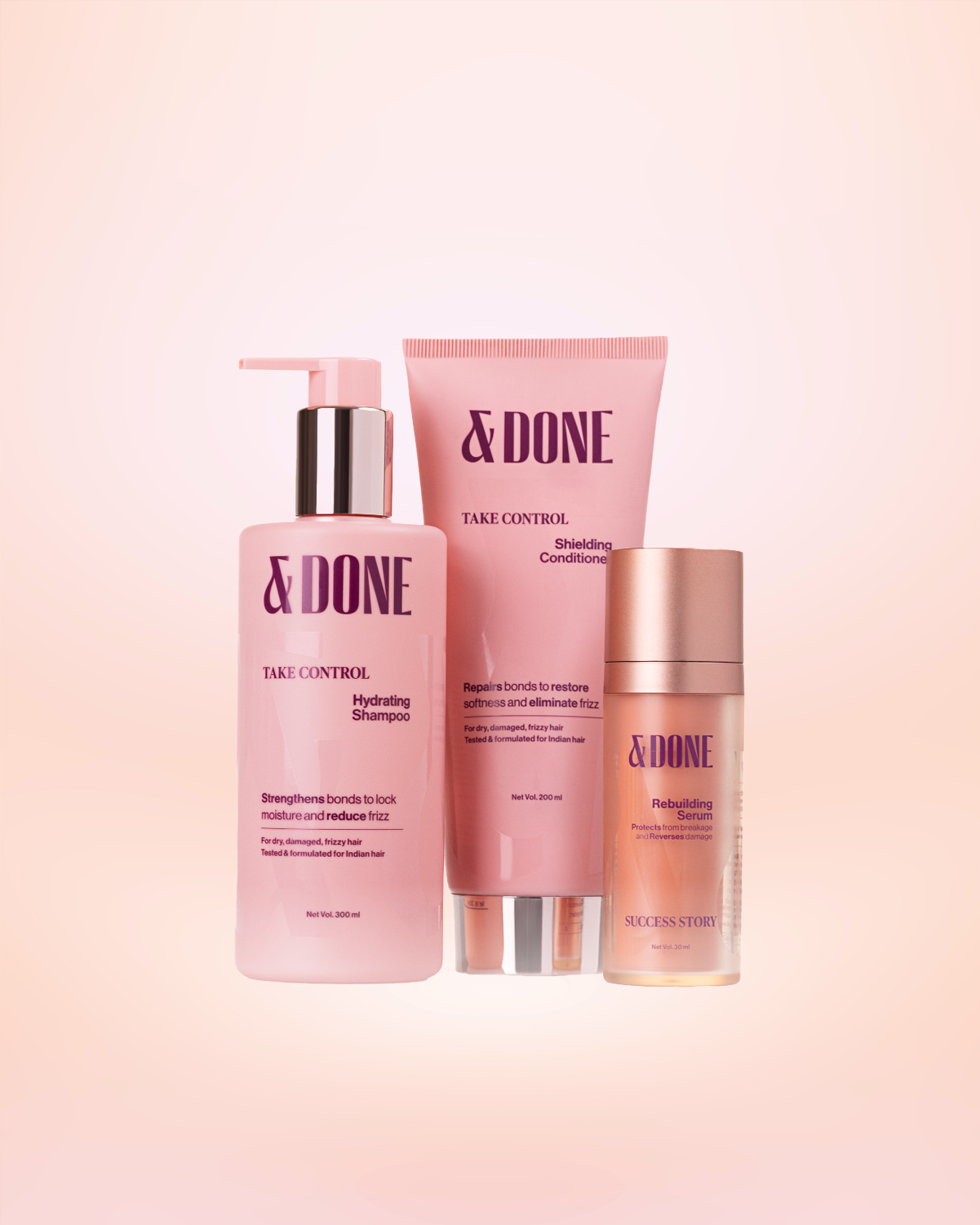
That's why we created our hair serum with oil to nourish actively with a dry, non-greasy finish.
2. Your wash routine is your first line of defence
Knowing how to protect hair from sun actually starts the night before. Shampoos strip away the natural oils that are the first barrier to UV of the cuticle.
A hydrating shampoo that replenishes moisture as it cleanses helps prevent the cuticle from drying out, and a healthy cuticle will withstand UV damage better than a dry, porous one.
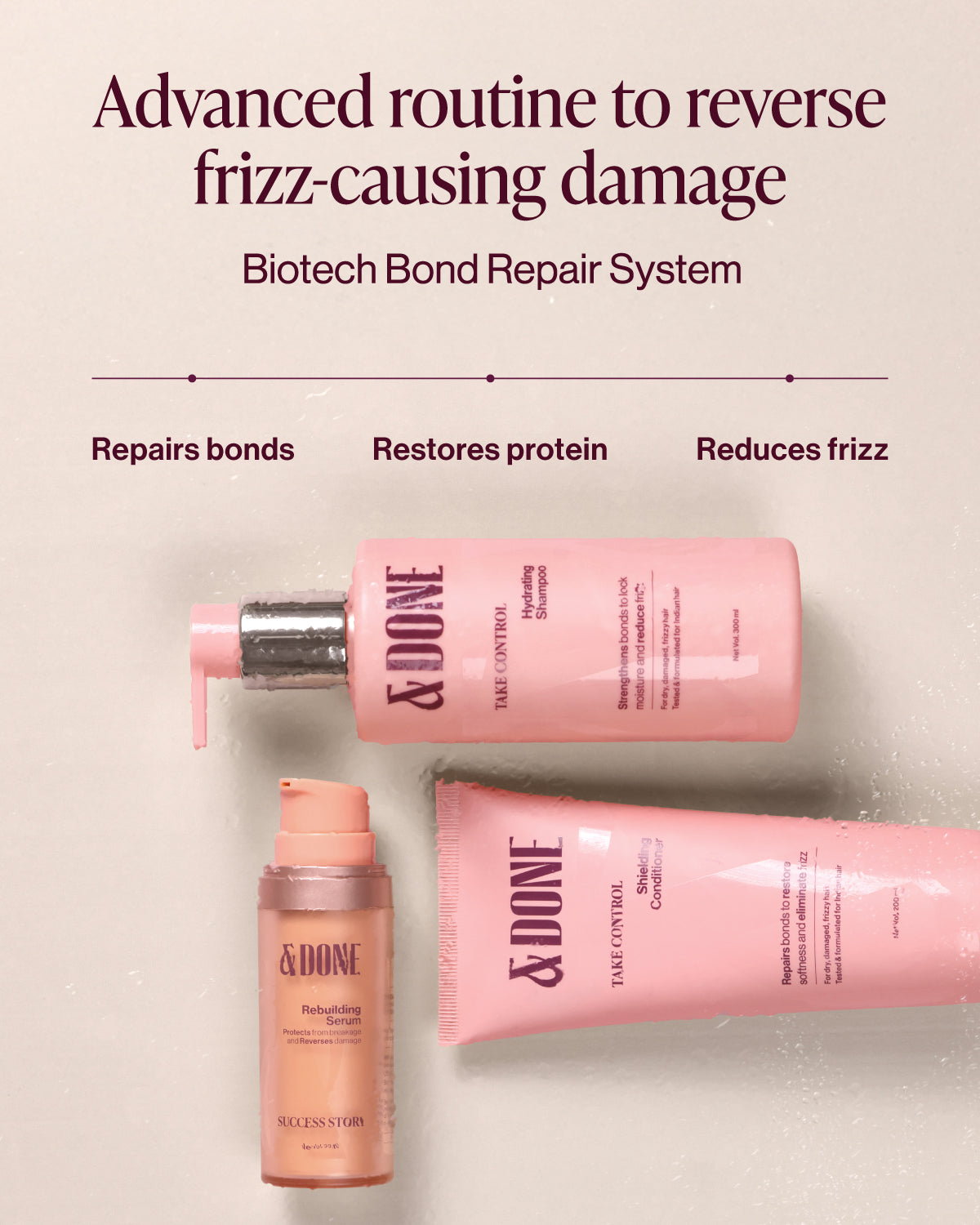
Our hydrating shampoo is designed to provide deep moisture without any residue, allowing hair to remain strong and manageable.
3. Seal the cuticle post-wash
A good hair conditioner that closes the cuticle after washing is non-negotiable. When the cuticle lies flat, UV radiation has fewer entry points into the cortex, the inner structure where the real damage happens.
The rule for Indian hair: apply conditioner from mid-lengths to ends (the most sun-exposed sections when hair is worn down), and always rinse with cool water.
Cool water helps the cuticle close fully, a small step that makes a real difference in how UV-resilient your hair is going into the day.
4. Use physical barriers strategically; they still win
A wide-brimmed hat or silk scarf is still the most effective sun protection tool available, and the most underused. On days with prolonged outdoor exposure, beach days, afternoon commutes, and long outdoor meetings, don't rely on the product alone.
Physical coverage reduces direct UV contact on the lengths and, critically, protects the scalp. Your scalp is genuine skin, which means genuine sunburn risk and long-term follicle damage with repeated exposure.
5. Don't skip the post-sun reset
If you've spent a full day in the sun, your post-exposure routine matters as much as your pre-sun prep.
Sweat, pollution, and UV stress accumulate throughout the day. A cool rinse or gentle cleanse, followed by hair conditioner, helps strip that layer of stress. A weekly deep treatment rebuilds what the sun breaks down over time.
This is where isolated single-ingredient fixes fall short. At &DONE, our formulations are built on multi-active systems, ingredients engineered to work together to rebuild bonds, restore proteins, and seal the cuticle in one integrated routine.
Because true hair health isn't about one hero ingredient. It's about the right actives, in the right ratios, doing the right jobs together.
The Takeaway
There's no need for a long, complicated routine or greasy layers of product to protect hair from the sun. The key is to use the right formulas regularly, products which hydrate, repair and strengthen hair to withstand heat, moisture, pollution and UV damage on a day-to-day basis.
If you’ve been wondering, does the sun damage your hair? The answer is yes. However, the results are usually not immediate. Sun-damaged hair can take years to show signs and symptoms such as dryness, rough texture, breakage, fading, and loss of elasticity. That is why it is important to take a different approach to hair care that can make it more resilient rather than relying on quick fixes.
All the formulations at &DONE are formulated to address the needs of Indian hair, its density and porosity, the climate and daily styling requirements. This is a matter of hydration or targeted repair systems; it's always about the ease of wearing the look.
Healthy hair should still feel soft, breathable, manageable and ready for anything that the day brings.
Frequently Asked Questions
Q. Can the sun damage your hair even if you don't colour it?
Yes. Untreated hair, however, is just as vulnerable to the UV rays as is natural melanin, and both are destructive to keratin. Over time, the effect is: dryness, frizz, dullness and washed-out colour. Natural pigment is not necessarily immune to oxidation because the same chemical reactions occur as with artificial colour.
Q. Does the sun damage your hair faster in humid climates like India?
Yes. Hair is more susceptible to UV rays, pollution and hard water when it is damp. Hence &DONE emphasises multi-active systems specially formulated for Indian hair.
Q. How to protect hair from the sun if you have oily roots?
Use serum from mid-lengths to ends of hair, not roots. Wear a hat or scarf and be careful not to add product to the roots of the hair. It's time to move with lightweight, dry-finish formulas.
Q. Will a hair serum make hair greasy?
Not if the formulation is balanced correctly. &DONE uses lightweight conditioning systems that support repair and smoothness without leaving hair sticky or weighed down.
Q. How to protect hair from sun damage during Indian summers?
Focus on layered protection: a hydrating cleanse, lightweight repair serum, and physical coverage during prolonged sun exposure. Consistency matters more than heavy product layering.