
Hair does not act the same way throughout the year- and that’s completely natural. It's a response.
When you have heard the seasonal hair loss sneak up, you find more hair on your brush, your sink is emptying itself like it was doing you some kind of a favour, you are not dreaming.
Hair has cycles, and those cycles tend to change depending on the surrounding environment.
This is the way we see this at &DONE. Rather than taking it as a case of panic, we consider it as an indication- your hair in reaction to various environmental factors such as climate and humidity and change of lifestyle.
Here we will take it down, and what your hair requires of you, season after season.
The Reason Behind It: Why Your Hair Has a Season
Your hair isn't passive. It's a living system that responds to internal hormones and external conditions. The hair growth cycle has three phases:
-
Anagen: active growth phase (lasts 2-6 years)
-
Catagen: transition phase (2-3 weeks)
-
Telogen: resting/shedding phase (3-4 months)
Seasonal changes - primarily changes in light exposure and temperature influence the number of follicles that enter the telogen (shedding) phase at any one time.
Studies indicate that additional follicles synchronize into telogen later in summer, that is, the actual shedding will occur 2-3 months later, usually in autumn. This is termed telogen effluvium, and when it occurs on a seasonal basis, it is a normal physiological occurrence and not destructive.
Summer Hair Fall: What's Really Happening
Hair fall in summer has a different category of its own since there are many reasons behind it.
-
The increase in UV rays causes keratin degradation. Keratin is a protein that is responsible for the strength and elasticity of your hair. Increased exposure to UV rays depletes keratin from your hair.
-
Sweat and buildup are not taken seriously by most people. In Indian summers, sweat is not just sweat; it is mixed with pollutants. It can create a buildup that can cause a lot of damage to your scalp and your hair growth. It is not really hair fall; it is more like breakage and damage to your hair follicles.
-
Compounding the problem is hard water and heat styling. In the summer heat, your hair is already dry and using heat tools without the necessary protection will speed up its destruction down the shaft and appear as excessive shedding merely because of the heat.
You must be thinking why hairfall in summer? Biologically, the melatonin concentration decreases as daylight lengthens, and this may cause more follicles to transition into the dormant phase. Combine that with environmental stress and scalp dehydration, and summer is a combination of things.
The Shedding Season: When It's Most Noticeable
Seasonal hair shedding generally peaks in two periods:
-
At the end of the summer or the beginning of the autumn (August- October in India).
-
After winter and the first months of spring (February-March).
These are not accidental but the consequence of follicles, which underwent telogen 2-3 months ago and are ready to undergo their resting phase and release the strand. The hair you dropped in October must have been stimulated in July.
What is alarming about this is the volume. It can lose 100-200 strands daily at the height of seasonal shedding (compared to an average of 50-100), and it also does not take place gradually over time.
Indian Hair and Seasonal Stress: A Different Playing Field
Indian hair possesses certain structural specificities, denser structure, larger diameter shafts and is more prone to hygral fatigue (swelling and drying during changes in humidity). Seasonal stressors land differently here than most hair studies account for.
Key pressure points across seasons:
-
Monsoon humidity: Hair continuously swells due to energy absorption in the form of moisture, and bonds become weaker and break down to a large extent.
-
Summer pollution + sweat: Forms an acidic environment of the scalp, which disturbs the pH balance required to keep follicles functioning healthily.
-
Winter dry seasons: Stripped cuticles, brittle strands and optimum mid-shaft breakage.
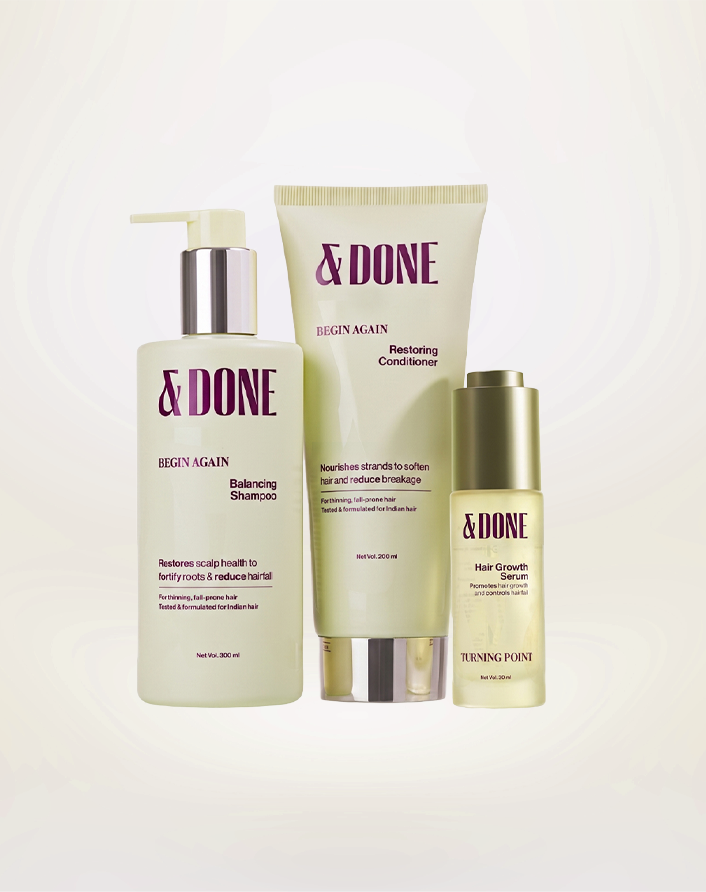
The one thing that must always be constant is the health of the scalp. A hydrating shampoo, properly developed, which cleans without drying the hair, will keep the scalp pH in balance throughout the year, not only during the seasons.
Combine with a hair conditioner that replenishes hydration after washing and shields the cuticle against all weather changes.
What Actually Helps: A Seasonal Hair Care Approach
Reactive care after hair shedding season starts is significantly less effective than building a routine that addresses the conditions that lead to shedding.
Year-round non-negotiables:
-
Use a shampoo and conditioner for dry hair that maintains moisture balance without heavy residue buildup
-
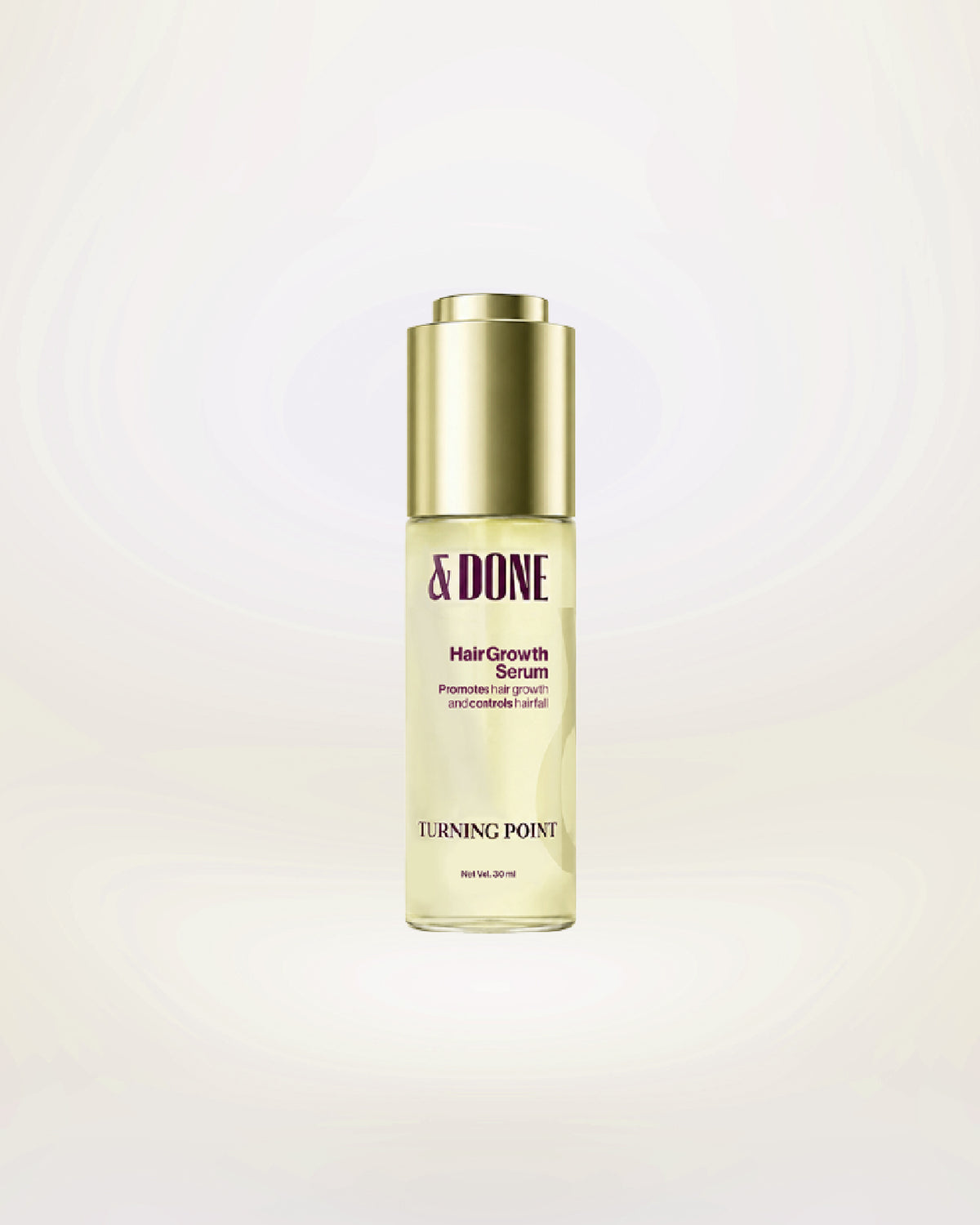
Protect the cuticle before heat exposure, this is where a hair serum for frizzy hair does more than just tame flyaways. It seals the cuticle and limits hygral fatigue in humid conditions
-
Cleanse the scalp regularly during summer and monsoon, product and sweat buildup directly impairs follicle health
Summer-specific adjustments:
-
Reduce heat toos use or always prep with a heat protectant
-
Rinse hair after sweating to prevent scalp inflammation
-
Look for formulations with antioxidants, these actively counter UV-triggered keratin degradation
Post-shedding season:
-
Target scalp stimulation and protein-rich formulas to aid re-entry into the anagen phase.
-
Conditioning is important; the growing hair is new, and the cuticle must be strengthened.
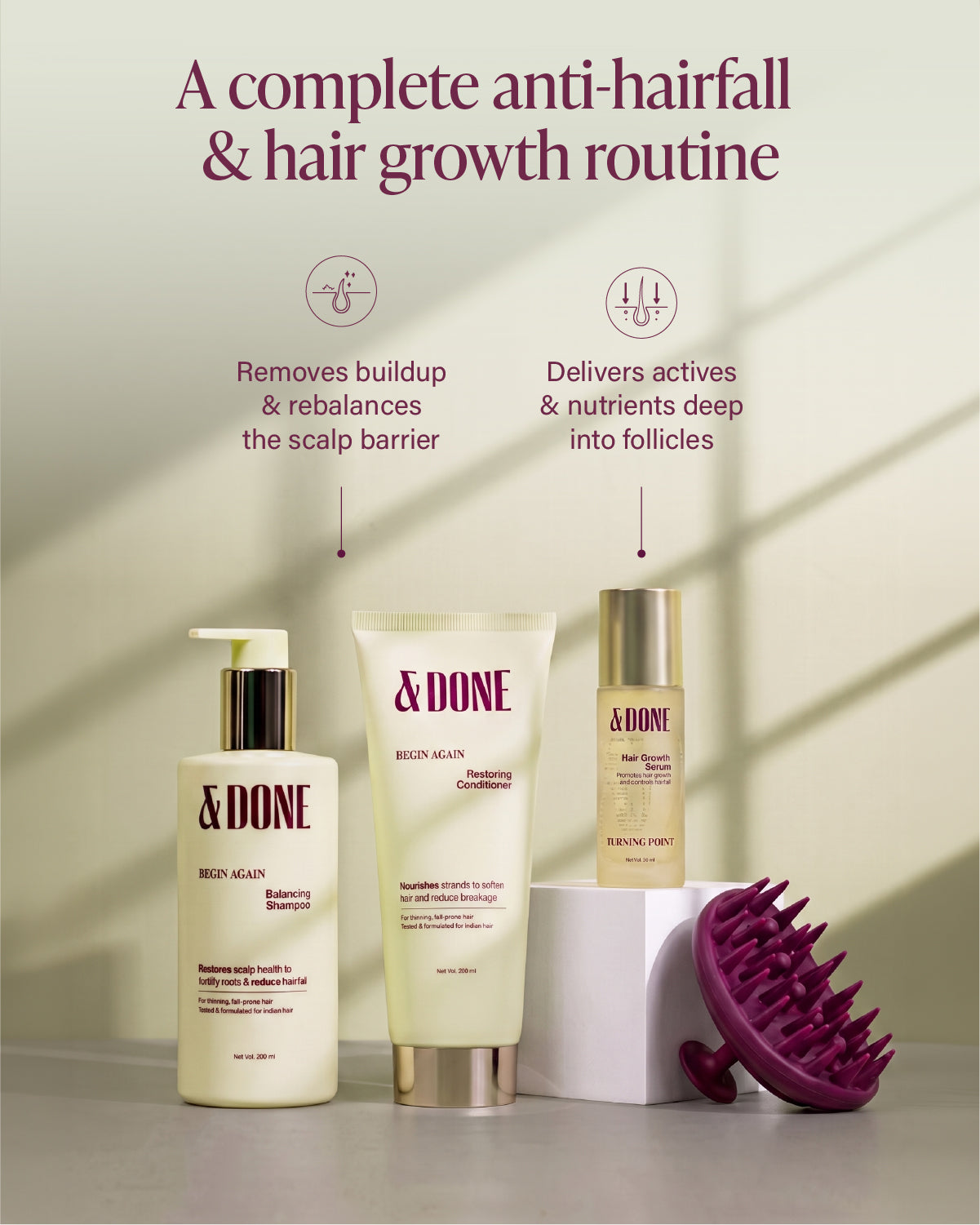
Learn all about the entire assortment of hair care products developed to address these hair challenges in layers known to be found in the Indian head.
Conclusion
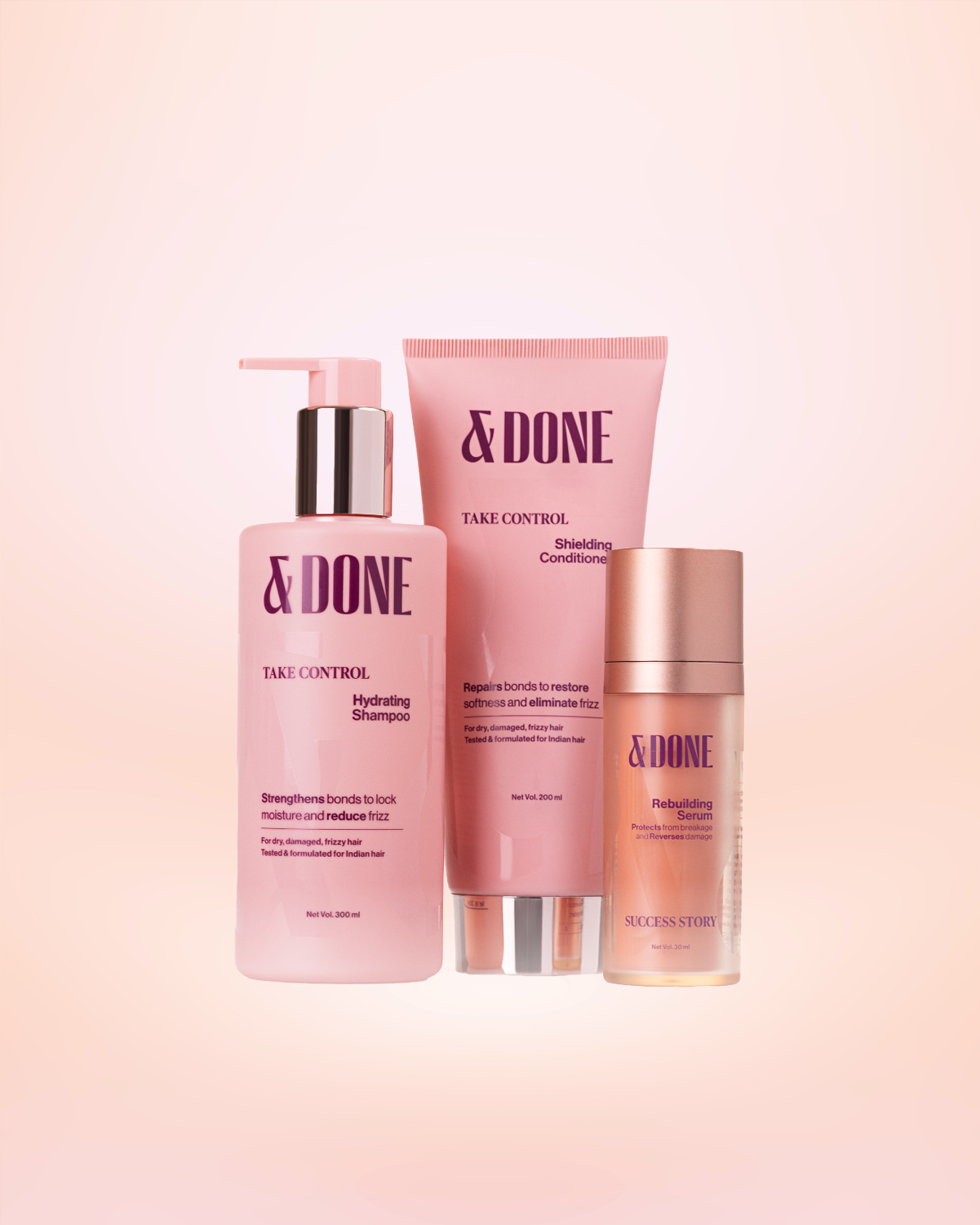
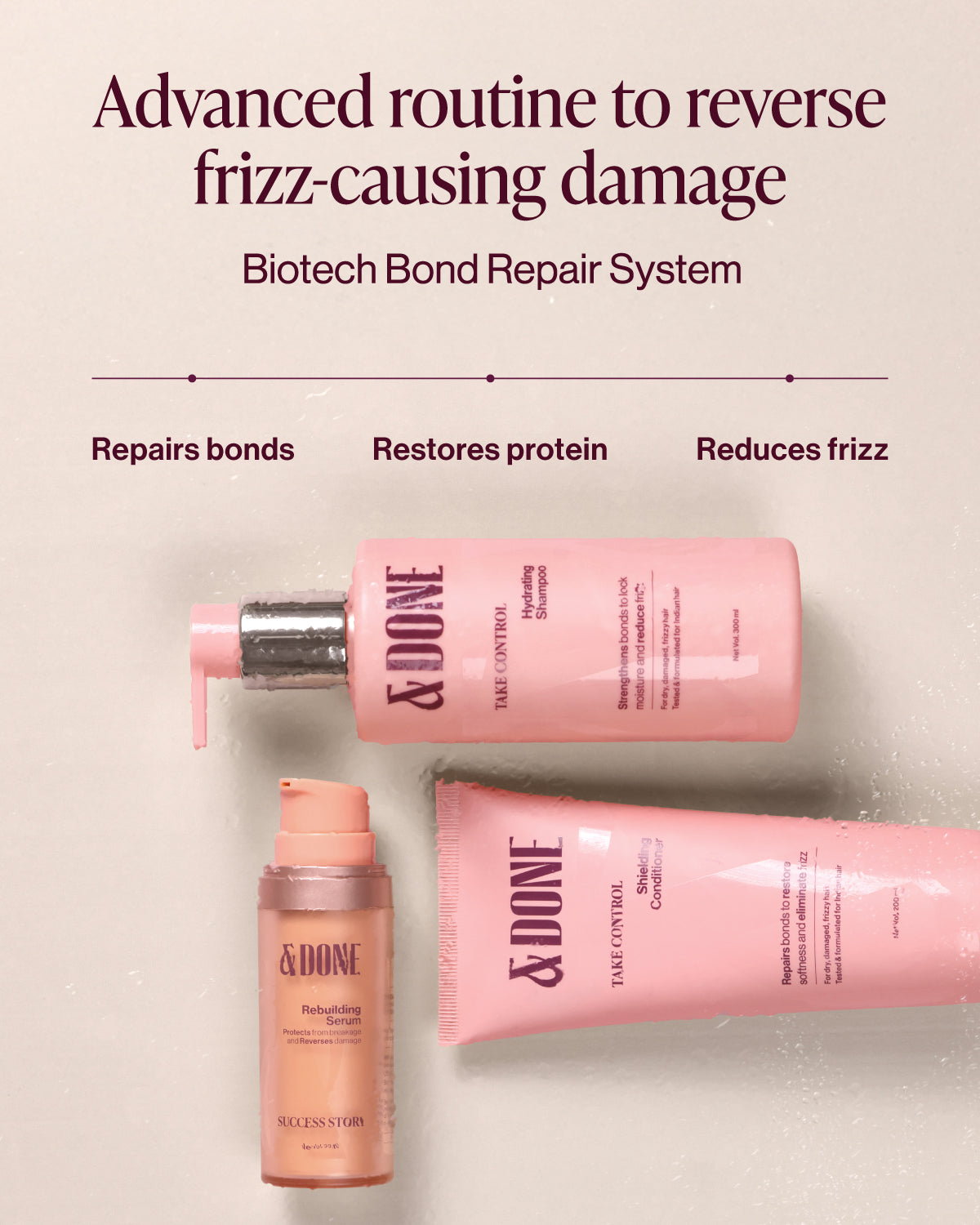
Shedding of hair is not a myth, but a biological reality and is temporary in most instances. It is not to prevent it, and it is to preserve the scalp and strand health that allows your hair to run through the cycle effectively, with the right system in place, like &Done’s hydrating shampoo and hair conditioner for dry hair supporting every step. Good regrowth, low breakage and endurance in all seasons. That's not luck. That's a system.
Frequently Asked Questions
Q1. Does summer cause hair loss?
Summer doesn't cause permanent loss, but UV exposure, sweat, and melatonin shifts push more follicles into the resting phase, accelerating shedding noticeably.
Q2. Does hair fall increase in summer?
Yes. Longer daylight hours sync more follicles into telogen, while heat, sweat, and hard water compound breakage. It's biological and environmental, happening simultaneously.
Q3. How long does seasonal hair loss last?
Typically 4-8 weeks. If shedding continues beyond 2-3 months with no regrowth, consult a trichologist to rule out other triggers.
Q4. How to stop seasonal hair fall?
You can't stop the telogen cycle, but you can minimise triggers. Prioritise scalp health, consistent moisture, and formulations that support cuticle and bond integrity.
Q5. Does seasonal hair loss grow back?
Yes. The follicle is resting, not damaged. Regrowth begins within a few months, and with the right routine, new growth comes in stronger.