
Summer can be tough on your hair. Higher temperatures, sweat, pollution, and humidity can quickly disrupt your usual routine and lead to common seasonal issues. Understanding how your hair reacts to heat and moisture is the first step to managing it better.
&Done’s guide covers practical hair care tips for summer along with an easy routine that helps keep your scalp clean, hair hydrated, and frizz under control.
Usual Hair Problems in Summer
Hot weather affects both the scalp and the hair shaft. Some of the most common concerns people experience during summer include:
1. Oily Hair
Heat increases sweat and sebum production on the scalp. This makes hair appear greasy faster and may clog follicles if not cleansed properly.
2. Flat Hair
Sweat and humidity can cause hair to lose volume, especially for people with fine hair. Excess oil weighs strands down and makes hair appear limp.
3. Hair Fall
Sweat, scalp buildup, and dehydration of the hair shaft can weaken hair roots. Seasonal shedding is common when scalp hygiene isn’t maintained.
4. Dirt and Grease Build-Up
Outdoor exposure, dust, and sweat accumulate quickly during summer, leading to scalp buildup that can irritate the scalp and dull the hair.
5. Hair Frizz (Humidity)
Humidity lifts the hair cuticle and allows moisture from the air to enter the strands. This causes swelling of the hair shaft, resulting in frizz and lack of definition.
Managing these concerns requires a consistent summer hair care routine that focuses on cleansing, hydration, and protection.
How to Maintain the Hair in Summer: Easy Routine
Creating a simple but effective hair care in summer routine can help prevent most seasonal hair issues.
1. Oil Your Hair Regularly
Hair oiling is especially important in hot weather. Oils help slow down moisture evaporation from the hair shaft, keeping strands hydrated even in dry heat.
Benefits of oiling in summer:
-
Creates a protective barrier on the hair
-
Reduces dryness and frizz
-
Improves scalp hydration
-
Helps prevent breakage
Lightweight oils work well during summer. Apply oil to the scalp and lengths, leave it for 30–60 minutes (or overnight if comfortable), and then wash it off.
2. Use a Gentle Hydrating Shampoo
Frequent sweating and dust make scalp cleansing important during summer.
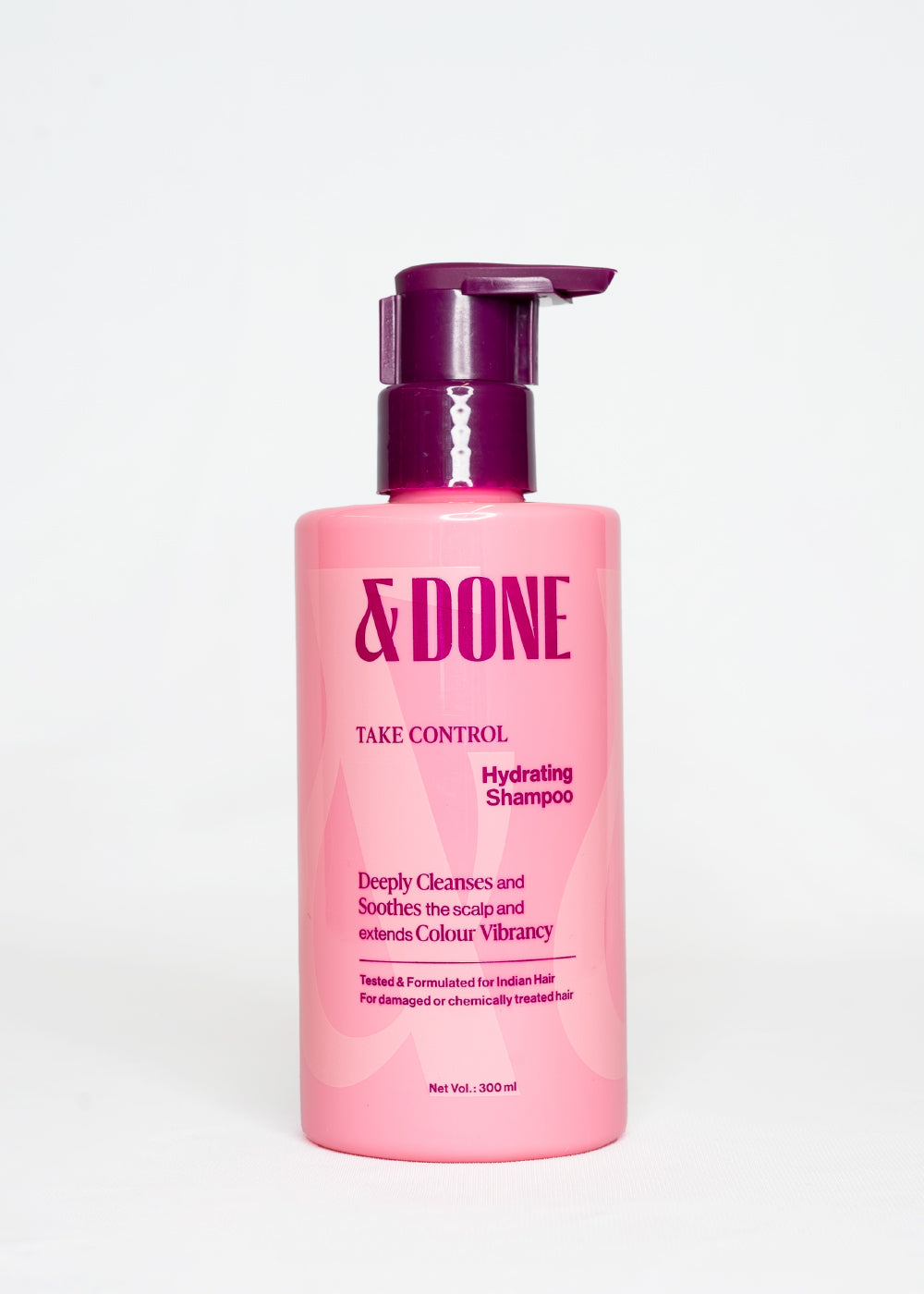
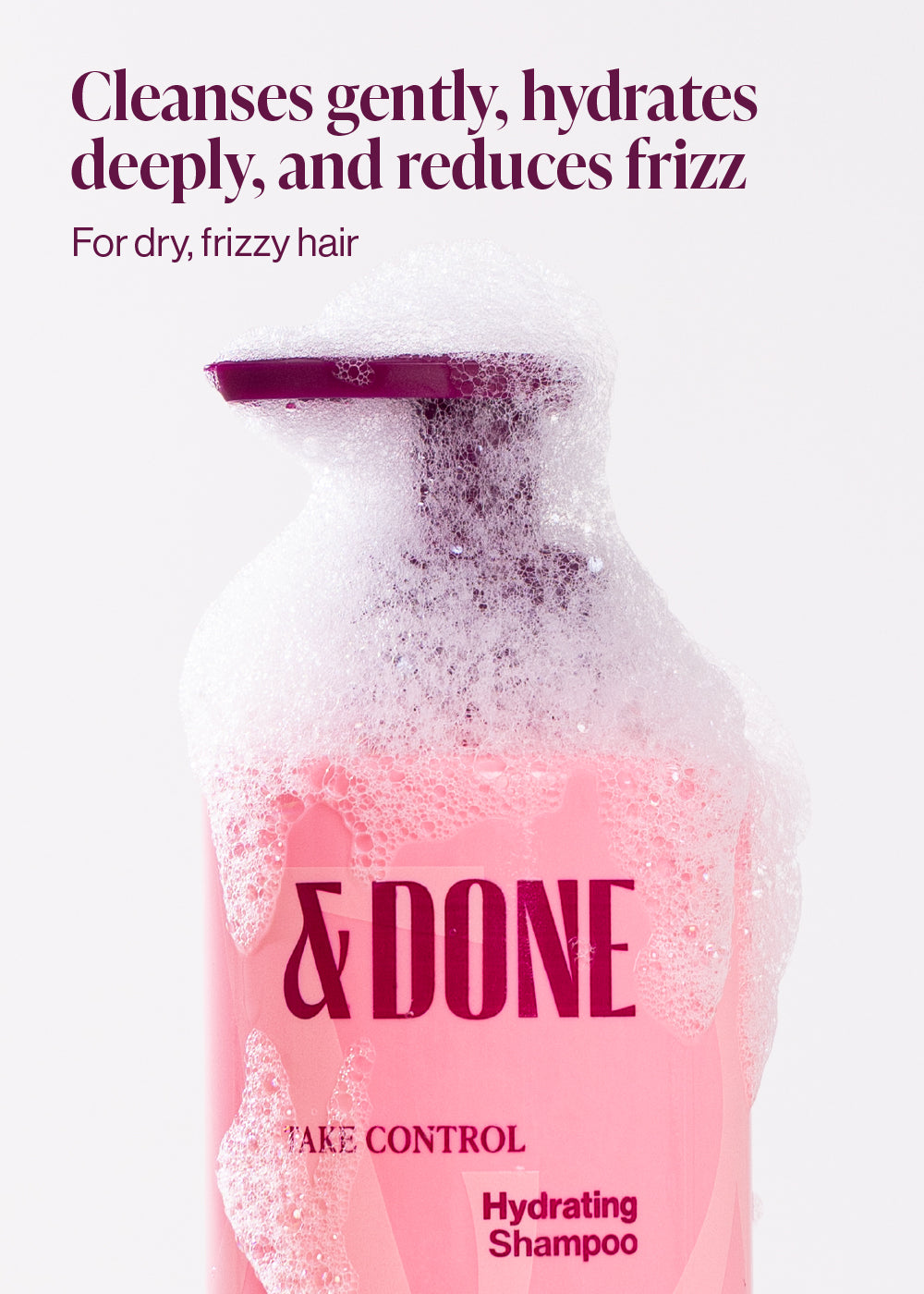
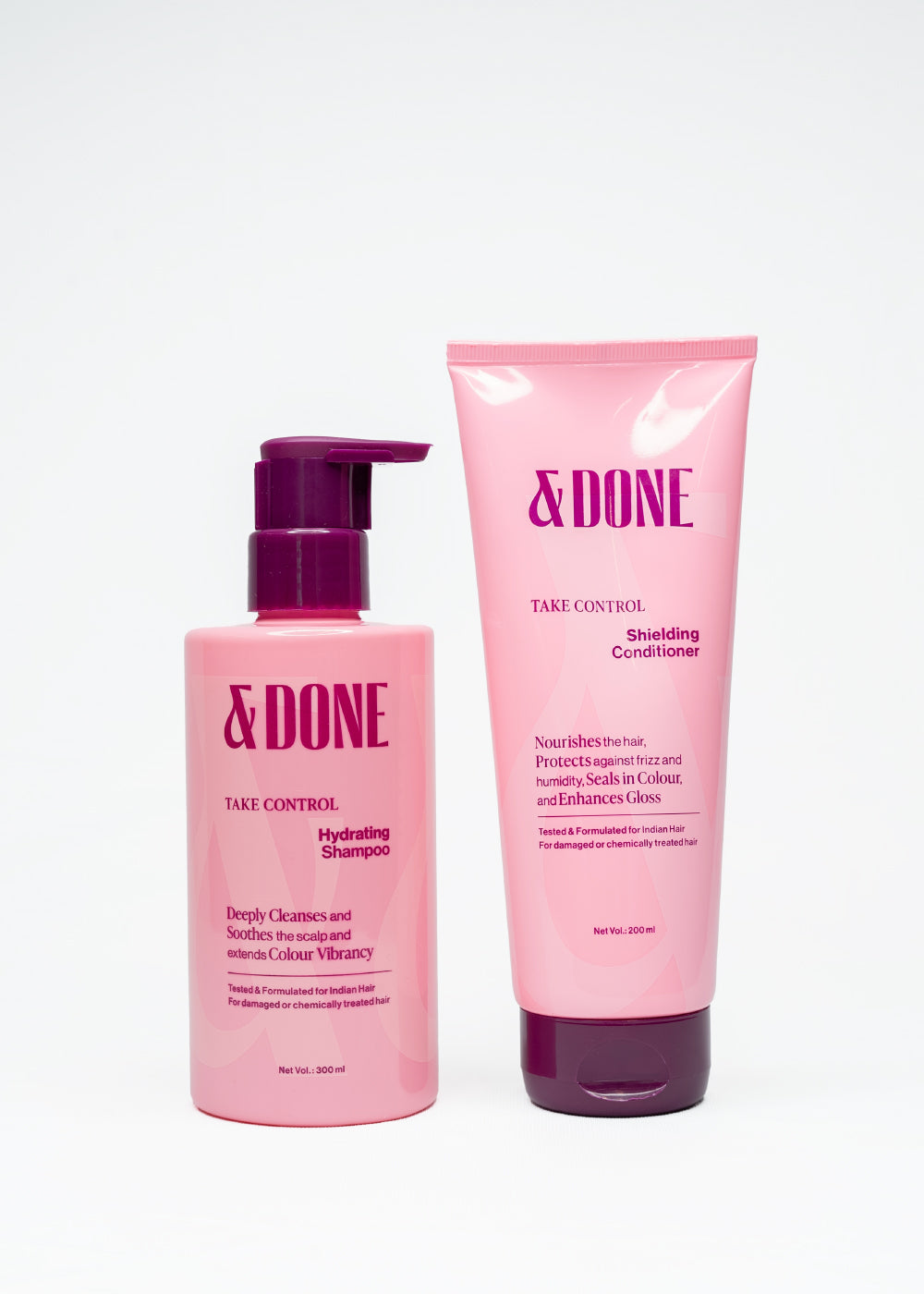
Using a balanced shampoo like Take Control Hydrating Shampoo helps remove oil, dirt, and buildup without stripping natural moisture. The formula cleanses the scalp thoroughly while keeping hair nourished and manageable. The biotech care makes the strands 250% more stronger reducing the hair fall caused by hair breakage by 44%.
Unlike heavy formulas, this shampoo won’t weigh hair down, making it suitable even when washing more frequently during warmer months.
It also works well for coloured hair, helping maintain hydration and reducing dryness caused by heat and sun exposure.
3. Always Condition After Shampooing
Conditioner is essential to restore moisture lost during washing and environmental exposure.
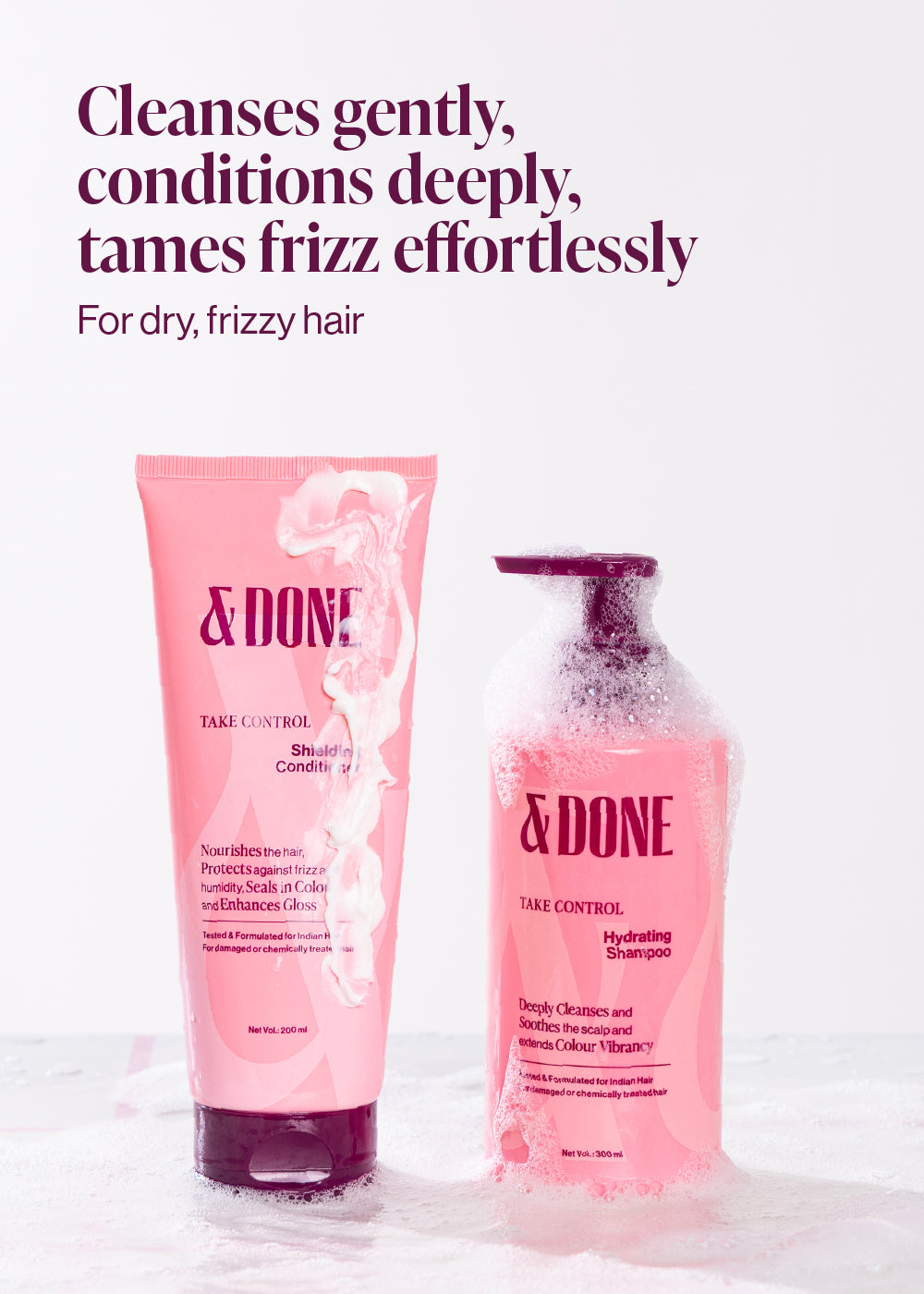
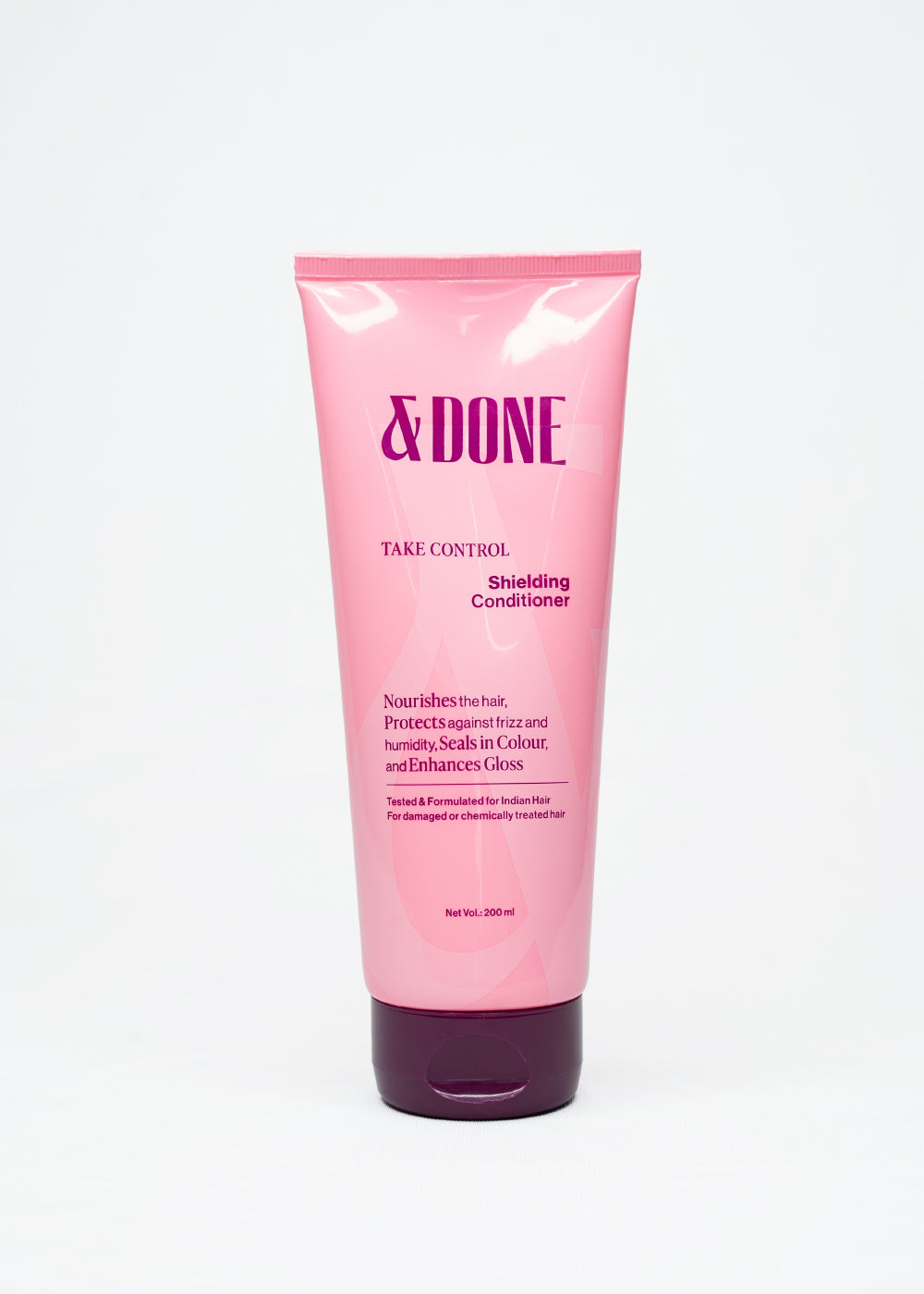
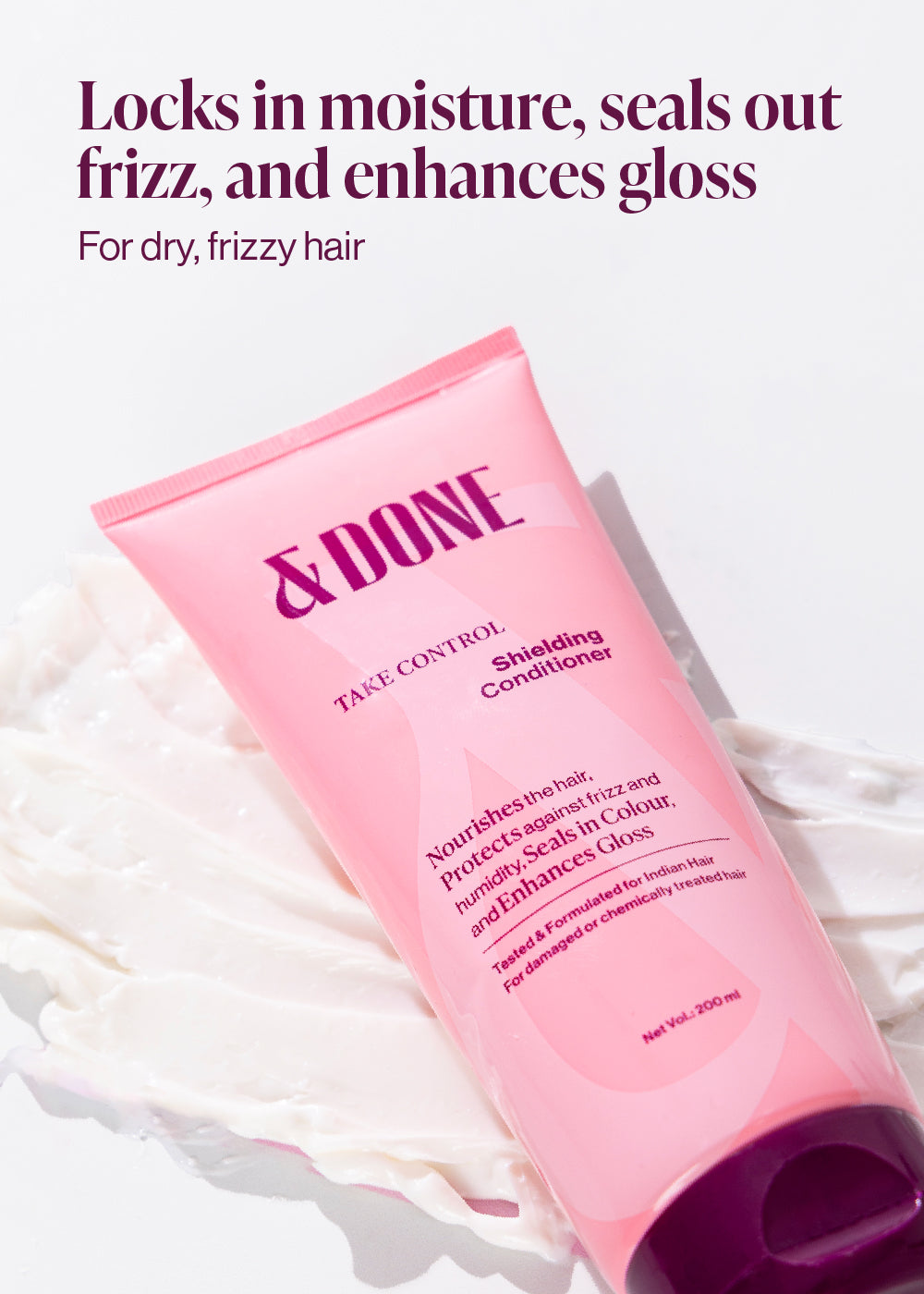
Our Take Control Shielding Conditioner helps smooth the hair cuticle, which:
-
Reduces frizz caused by humidity
-
Improves softness and detangling
-
Protects hair lengths from dryness and damage
Because the formula is lightweight, it provides nourishment without flattening the hair which is important during summer when hair can already feel heavy from sweat and oil.
4. Apply Hair Masks Weekly
Hair masks provide deeper hydration than regular conditioners.
You can use both formulated masks and natural options. For example:
Aloe vera hair mask is particularly useful in summer because it:
-
Soothes the scalp
-
Adds lightweight hydration
-
Helps reduce frizz
-
Improves hair elasticity
Apply a mask once or twice a week depending on how dry your hair feels.
5. Use a Serum on Hair Lengths and Tips
Humidity tends to affect the mid-lengths and ends the most. Applying a serum helps seal the cuticle and reduce frizz.
The Success Story Rebuilding Serum works well for summer routines because it:
-
Smooths frizz and flyaways
-
Adds lightweight shine without greasiness
-
Protects hair from environmental stress
-
Strengthens damaged or dry ends
Apply a small amount on damp or dry hair, focusing only on the lengths and tips, not the scalp.
6. Protect Hair When Outdoors
Direct sun exposure can dry out the hair shaft and damage the cuticle.
Simple protective habits include:
-
Covering your hair with a scarf or hat
-
Tying long hair in braids or buns
-
Keeping hair open only when necessary
This reduces tangling, prevents UV damage, and minimizes sweat buildup around the scalp.
How Many Times to Wash Hair in a Week?
There isn’t one fixed rule. The ideal washing frequency depends on several factors including scalp type, hair thickness, length, and porosity.
A good adaptable guideline:
1. Oily scalp- 3–4 times per week to remove excess sebum and sweat.
2. Normal scalp- 2–3 times per week to maintain cleanliness without drying the hair.
3. Dry or textured hair- 1–2 times per week, focusing more on conditioning and masks to maintain moisture.
4. Fine or thin hair- May require more frequent washing because oil buildup becomes visible quickly.
5. Thick or curly hair- Can usually go longer between washes since natural oils take more time to travel along the hair shaft.
The goal of a good summer hair care routine is to keep the scalp clean without stripping away essential hydration.
Final Thoughts
Summer can easily disrupt hair health due to sweat, humidity, dust, and prolonged sun exposure. But with the right summer hair care routine, most seasonal concerns like frizz, oiliness, and dryness can be managed effectively.
The key to good hair care in summer is maintaining balance, keeping the scalp clean while ensuring the hair lengths stay hydrated and protected. Regular oiling helps prevent moisture loss, gentle cleansing removes sweat and buildup, and conditioning keeps the hair smooth and manageable. Adding weekly masks and a lightweight serum further supports hydration and protects the hair from environmental stress.
With consistent care and the right products, these hair care tips for summer can help keep your hair soft, healthy, and manageable even during the hottest months.